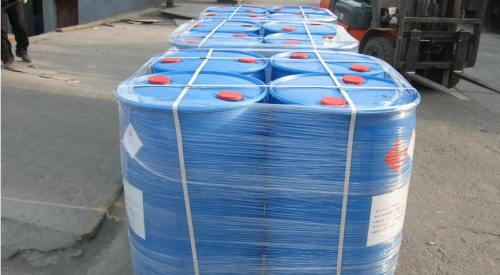
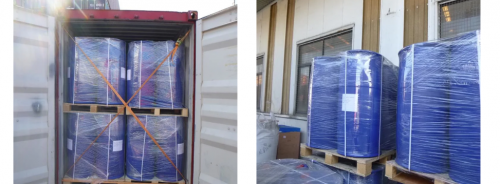
Sodium Bisulfite
CANADA Chemical is leading one Largest Supplier,Distributor,


Canada Chemicals is one of the leading Stearic acid Exporters, Manufacturers, Suppliers, Producers in Vancouver, Montreal, Ontario, Toronto, Hamilton, Ottawa Canada. We are supplied to various industrial markets including Household, Institutional Cleaning, Personal Care, and Industrial sectors including Oil fields, chemical, Animal feed additive, Food additive, Agrochemical, Fertilizer, pharmaceuticals, water treatment, Minerals, Lubricants, Marine Industry, Metal Working chemical industry, and Coatings markets.
Stearic acid is a saturated fatty acid with an 18-carbon chain. The IUPAC name is octadecanoic acid. It is a waxy solid and its chemical formula is C17H35CO2H. Its name comes from the Greek word στέαρ "stéar", which means tallow. The salts and esters of stearic acid are called stearates. As its ester, stearic acid is one of the most common saturated fatty acids found in nature following palmitic acid. The triglyceride derived from three molecules of stearic acid is called stearin.
Product Name: Stearic acid
CAS No: 57-11-4
Molecular Formular: C18H36O2
Molecular Weight: 284.48
EINECS No.: 266-928-5
Melting point: 67-72 °C (lit.)
Type: Food additive
Appearance: Powder
Color : white
Purity: 99.9%
Packing: 25kg/Cartoon Box
Application: Anthelmintic
Storage: Room temp
Stearic acid is widely used in cosmetics, plastic plasticizer, release agent, stabilizer, surfactant, rubber vulcanization accelerator, water repellent agent, polishing agent, metal soap, metal mineral flotation agent, softener, pharmaceuticals and other organic chemicals.
Widely used in cosmetics, plastic cold plasticizers, release agent, stabilizer, surfactant, rubber vulcanization agent, waterproofing agent, polishing agent, metal soap, softener, pharmaceuticals, and other organic chemicals.
Stearic acid is one of several main long-chain fatty acids that make up oils and fats. It exists in animal fats, oils and some vegetable oils in the form of glycerides. Stearic acid is obtained by hydrolysis of these oils. Stearic acid is a kind of fatty acid that exists widely in nature. It has the chemical properties of general carboxylic acid. Almost all fats and oils contain stearic acid with varying content. The content of stearic acid is higher in animal fat, such as tallow. Up to 24%, the content of vegetable oil is less, tea oil is 0.8%, palm oil is 6%, but the content of cocoa butter is as high as 34%.
Application
1. Pharmaceutical industry: Caffeie, Analgin , Aminopyrine, Vitamin B1, etc.
2. Leather industry: Tanning agent, Deliming agent, Neutralizer etc.
3. Printing and Dyeing Industry: Acid Stains etc.
4. Chemical industry: amide, DMF, Age resister, etc.
5. Rubber industry: Coagulation, etc.
6. Steel industry: Acid cleaning of steel production, etc.
7. Paper industry: Pulp manufacturing, etc.
8. Pesticide industry: Triazolone, Disinfest, etc.
9. Food industry: Disinfectant, preservative etc.
10. Poultry industry: Silage, etc.
Soaps, cosmetics, detergents
Stearic acid is mainly used in the production of detergents, soaps, and cosmetics such as shampoos and shaving cream products. Soaps are not made directly from stearic acid, but indirectly by saponification of triglycerides consisting of stearic acid esters. Esters of stearic acid with ethylene glycol (glycol stearate and glycol distearate) are used to produce a pearly effect in shampoos, soaps, and other cosmetic products. They are added to the product in molten form and allowed to crystallize under controlled conditions. Detergents are obtained from amides and quaternary alkylammonium derivatives of stearic acid.
Lubricants, softening and release agents
In view of the soft texture of the sodium salt, which is the main component of soap, other salts are also useful for their lubricating properties. Lithium stearate is an important component of grease. The stearate salts of zinc, calcium, cadmium, and lead are used to soften PVC. Stearic acid is used along with castor oil for preparing softeners in textile sizing. They are heated and mixed with caustic potash or caustic soda. Related salts are also commonly used as release agents, e.g. in the production of automobile tires. As an example, it can be used to make castings from a plaster piece mold or waste mold, and to make a mold from a shellacked clay original. In this use, powdered stearic acid is mixed in water and the suspension is brushed onto the surface to be parted after casting. This reacts with the calcium in the plaster to form a thin layer of calcium stearate, which functions as a release agent.
Niche uses
Being inexpensive, nontoxic, and fairly inert, stearic acid finds many niche applications Stearic acid is used as a negative plate additive in the manufacture of lead-acid batteries. It is added at the rate of 0.6 g per kg of the oxide while preparing the paste. It is believed to enhance the hydrophobicity of the negative plate, particularly during dry-charging process. It also reduces the extension of oxidation of the freshly formed lead (negative active material) when the plates are kept for drying in the open atmosphere after the process of tank formation. As a consequence, the charging time of a dry uncharged battery during initial filling and charging (IFC) is comparatively lower, as compared to a battery assembled with plates which do not contain stearic acid additive. Fatty acids are classic components of candle-making. Stearic acid is used along with simple sugar or corn syrup as a hardener in candies.
We are trying our best to supply every chemical you may wish to buy. However, if there is something you can’t find, feel free to contact us and we will find just what you are looking for and offer you a competitive price. We guarantee that 100% of your parcel passes through the United States, Britain, Australia, Canada, Mexico, France, Germany, Spain, Belgium, Sweden, Poland, and Russia. We have large stocks in warehouses in the United States, Canada, Germany, and Mexico, and we can ship directly from overseas warehouses.
When you order in our company, we will immediately arrange shipment and update tracking information for you by email. In addition, we can also arrange door-to-door service delivering to your office or factory directly by our forwarders. For more information or to request a particular product, call customer services or Given website Email address.
chemicals@canadachemical.com
Canada Chemicals is one of the leading Tartaric acid Exporters, Manufacturers, Suppliers, Producers in Vancouver, Montreal, Ontario, Toronto, Hamilton, Ottawa Canada. We are supplied to various industrial markets including Household, Institutional Cleaning, Personal Care, and Industrial sectors including Oil fields, chemical, Animal feed additive, Food additive, Agrochemical, Fertilizer, pharmaceuticals, water treatment, Minerals, Lubricants, Marine Industry, Metal Working chemical industry, and Coatings markets.
Tartaric acid is a white, crystalline organic acid that occurs naturally in many fruits, most notably in grapes, but also in bananas, tamarinds, and citrus. Its salt, potassium bitartrate, commonly known as cream of tartar, develops naturally in the process of fermentation. It is commonly mixed with sodium bicarbonate and is sold as baking powder used as a leavening agent in food preparation. The acid itself is added to foods as an antioxidant E334 and to impart its distinctive sour taste. Naturally occurring tartaric acid is a useful raw material in organic chemical synthesis.
Other names
Tartaric acid
2,3-Dihydroxysuccinic acid
Threaric acid
Racemic acid
Uvic acid
Paratartaric acid
Winestone
Tartaric acid and its derivatives have a plethora of uses in the field of pharmaceuticals. For example, it has been used in the production of effervescent salts, in combination with citric acid, to improve the taste of oral medications.The potassium antimonyl derivative of the acid known as tartar emetic is included, in small doses, in cough syrup as an expectorant.
Tartaric acid also has several applications for industrial use. The acid has been observed to chelate metal ions such as calcium and magnesium. Therefore, the acid has served in the farming and metal industries as a chelating agent for complexing micronutrients in soil fertilizer and for cleaning metal surfaces consisting of aluminium, copper, iron, and alloys of these metals, respectively.
We are trying our best to supply every chemical you may wish to buy. However, if there is something you can’t find, feel free to contact us and we will find just what you are looking for and offer you a competitive price. We guarantee that 100% of your parcel passes through the United States, Britain, Australia, Canada, Mexico, France, Germany, Spain, Belgium, Sweden, Poland, and Russia. We have large stocks in warehouses in the United States, Canada, Germany, and Mexico, and we can ship directly from overseas warehouses.
When you order in our company, we will immediately arrange shipment and update tracking information for you by email. In addition, we can also arrange door-to-door service delivering to your office or factory directly by our forwarders. For more information or to request a particular product, call customer services or Given website Email address.
chemicals@canadachemical.com
Canada Chemicals is one of the leading Butyl acrylate Exporters, Manufacturers, Suppliers, Producers in Vancouver, Montreal, Ontario, Toronto, Hamilton, Ottawa Canada. We are supplied to various industrial markets including Household, Institutional Cleaning, Personal Care, and Industrial sectors including Oil fields, chemical, Animal feed additive, Food additive, Agrochemical, Fertilizer, pharmaceuticals, water treatment, Minerals, Lubricants, Marine Industry, Metal Working chemical industry, and Coatings markets.
Butyl acrylate is an organic compound with the formula C4H9O2CCH=CH2. A colorless liquid, it is the butyl ester of acrylic acid. It is used commercially on a large scale as a precursor to polybutylacrylate, which is used in paints, sealants, coatings, adhesives, fuel, textiles, plastics, and caulk.
Butyl acetate is a carboxylate synthetic flavor, also known as butyl acetate, colorless with strong fruit flavor transparent liquid, can be mixed with ethanol, ethyl ether arbitrary, soluble in most organic solvents, slightly soluble in water, in water solubility of 0.05g. The vapor has a weak anesthetic effect, and the allowable concentration of Chemicalbook in the air is 0.2g/ L. This product has a strong fruity aroma with a pleasant, diluted aroma of pineapple and banana. Naturally occurring in many vegetables, fruits, and berries. Butyl acetate is less used in daily chemical flavor and is mainly used in food flavor formulation.
Other names
n-Butyl acrylate
Butyl ester of acrylic acid
Butyl-2-propenoate
Name: Butyl acrylate
Cas No.: 141-32-2
Molecular Formula: C7H12O2
Hazard Class: 3
Packing Group: III
APPLICATIONS:
1. Acetate solvent plays an important role in solvent-based inks in regulating viscosity, volatilization speed, printing suitability and other properties, and is generally not used alone. Therefore, it is necessary to understand the compatibility of acetate solvents over other solvents.
2. Chemicalbook solvent is a common solvent for solvent-based inks, mainly the low carbon fatty alcohol ester of acetic acid, especially the ethyl acetate and butyl acetate with the highest dosage. Butyl acetate is also the standard solvent for measuring the relative volatilization rate of solvents.
Application
Butyl Acrylate is used in the production of homopolymers and co-polymers such as acrylic acid and its salts, esters, amides, methacrylates, maleates, vinyl acetate, vinyl chloride, vinylidene chloride, styrene, butadiene and unsaturated polyesters.When used in latex paint formulations acrylic polymers have good water resistance, low temperature flexibility and excellent weathering and sunlight resistance.
We are trying our best to supply every chemical you may wish to buy. However, if there is something you can’t find, feel free to contact us and we will find just what you are looking for and offer you a competitive price. We guarantee that 100% of your parcel passes through the United States, Britain, Australia, Canada, Mexico, France, Germany, Spain, Belgium, Sweden, Poland, and Russia. We have large stocks in warehouses in the United States, Canada, Germany, and Mexico, and we can ship directly from overseas warehouses.
When you order in our company, we will immediately arrange shipment and update tracking information for you by email. In addition, we can also arrange door-to-door service delivering to your office or factory directly by our forwarders. For more information or to request a particular product, call customer services or Given website Email address.
chemicals@canadachemical.com
Canada Chemicals is one of the leading Methyl methacrylate Exporters, Manufacturers, Suppliers, Producers in Vancouver, Montreal, Ontario, Toronto, Hamilton, Ottawa Canada. We are supplied to various industrial markets including Household, Institutional Cleaning, Personal Care, and Industrial sectors including Oil fields, chemical, Animal feed additive, Food additive, Agrochemical, Fertilizer, pharmaceuticals, water treatment, Minerals, Lubricants, Marine Industry, Metal Working chemical industry, and Coatings markets.
Methyl methacrylate (MMA) is an organic compound with the formula CH2=C(CH3)COOCH3. This colorless liquid, the methyl ester of methacrylic acid (MAA), is a monomer produced on a large scale for the production of poly(methyl methacrylate) (PMMA).
Methyl Methacrylate is a methyl ester of methacrylic acid. Methyl methacrylate is a reactive resin, and the polymerized form is used as cement in dentistry, orthopaedic surgery and ophthalmology. The monomer form of this agent has relaxation effect on smooth muscle systemically, which might be a result of nitric oxide-mediated response.
Methyl methacrylate monomer appears as a clear colorless liquid. Slightly soluble in water and floats on water. Vapors heavier than air. Vapors irritate the eyes and respiratory system. Containers must be heavily insulated or shipped under refrigeration. An inhibitor such as hydroquinone, hydroquinone methyl ester and dimethyl t-butylphenol is added to keep the chemical from initiating polymerization. The chemical may polymerize exothermically if heated or contaminated with strong acid or base. If the polymerization takes place inside a container, the container may rupture violently. Used to make plastics.
The principal application, consuming approximately 75% of the MMA, is the manufacture of polymethyl methacrylate acrylic plastics (PMMA). Methyl methacrylate is also used for the production of the co-polymer methyl methacrylate-butadiene-styrene (MBS), used as a modifier for PVC. Another application is as cement used in total hip replacements as well as total knee replacements. Used as the "grout" by orthopedic surgeons to make the bone inserts fix into bone, it greatly reduces post-operative pain from the insertions but has a finite lifespan. T
ypically the lifespan of methylmethacrylate as bone cement is 20 years before revision surgery is required. Cemented implants are usually only done in elderly populations that require more immediate short term replacements. In younger populations, cementless implants are used because their lifespan is considerably longer.] Also used in fracture repair in small exotic animal species using internal fixation.
MMA is a raw material for the manufacture of other methacrylates. These derivatives include ethyl methacrylate (EMA), butyl methacrylate (BMA) and 2-ethyl hexyl methacrylate (2-EHMA). Methacrylic acid (MAA) is used as a chemical intermediate as well as in the manufacture of coating polymers, construction chemicals and textile applications.
Wood can be impregnated with MMA and polymerized in situ to produce a stabilized product.
Application:
1. Used for manufacturing plexiglass, coatings, lubricating oil additives, wood infiltrating agent, paper polish, etc.
2. Methyl methacrylate is not only a kind of organic chemical raw material, but also can be used as a chemical product directly. In addition, it is widely used in adhesives, coatings, resins, textiles, paper making and other industries. As a kind of chemical products, can be directly used in leather, ion exchange resin, paper, polish, textile auxiliaries, leather treatment agent, lubricating oil additive, crude oil, wood and soft wood infiltration agents, motor coil soaking agent, insulating pouring material and plastic type emulsion of plasticizer, floor polishing, unsaturated resins, senior methacrylate and many other fields.
3. Organic synthetic monomer. It is also used in the manufacture of other resins, plastics, coatings, adhesives, scale inhibitors and dispersants, lubricants, wood infiltrators, motor coil infiltrators, paper glazing agents, printing and dyeing auxiliaries and insulation pouring materials.
4. Used as a monomer of plexiglass, also used in the manufacture of other resins, plastics, coatings, adhesives, lubricants, wood and cork soaks, paper glazing agent, etc
We are trying our best to supply every chemical you may wish to buy. However, if there is something you can’t find, feel free to contact us and we will find just what you are looking for and offer you a competitive price. We guarantee that 100% of your parcel passes through the United States, Britain, Australia, Canada, Mexico, France, Germany, Spain, Belgium, Sweden, Poland, and Russia. We have large stocks in warehouses in the United States, Canada, Germany, and Mexico, and we can ship directly from overseas warehouses.
When you order in our company, we will immediately arrange shipment and update tracking information for you by email. In addition, we can also arrange door-to-door service delivering to your office or factory directly by our forwarders. For more information or to request a particular product, call customer services or Given website Email address.
chemicals@canadachemical.com

Canada Chemicals is one of the leading Ethanol Exporters, Manufacturers, Suppliers, Producers in Vancouver, Montreal, Ontario, Toronto, Hamilton, Ottawa Canada. We are supplied to various industrial markets including Household, Institutional Cleaning, Personal Care, and Industrial sectors including Oil fields, chemical, Animal feed additive, Food additive, Agrochemical, Fertilizer, pharmaceuticals, water treatment, Minerals, Lubricants, Marine Industry, Metal Working chemical industry, and Coatings markets.
Ethanol (also called ethyl alcohol, grain alcohol, drinking alcohol, or simply alcohol) is an organic chemical compound. It is a simple alcohol with the chemical formula C2H6O. Its formula can be also written as CH3−CH2−OH or C2H5OH (an ethyl group linked to a hydroxyl group), and is often abbreviated as EtOH. Ethanol is a volatile, flammable, colorless liquid with a characteristic wine-like odor and pungent taste. It is a psychoactive drug, recreational drug, and the active ingredient in alcoholic drinks.
Ethanol is naturally produced by the fermentation of sugars by yeasts or via petrochemical processes such as ethylene hydration. It has medical applications as an antiseptic and disinfectant. It is used as a chemical solvent and in the synthesis of organic compounds. Ethanol is a fuel source.
CAS No.: 64-17-5
Formula: CH3CH2oh
EINECS: 200-578-6
Classification: Organic Compound
Appearance: Liquid
Type: Ethyl Alcohol
Grade Standard
Medicine Grade, Food Grade, Industrial Grade,
Other names
absolute alcohol
alcohol
cologne spirit
drinking alcohol
ethylic alcohol
EtOH
ethyl alcohol
ethyl hydrate
ethyl hydroxide
ethylol
grain alcohol
hydroxyethane
methylcarbinol
Ethanol can be used to make acetic acid, beverages, flavors, dyes, fuels, etc.
1. Used as a disinfectant.
2. Used as beverage products, ethanol is the main ingredient of wine.
3. Used as organic raw materials Ethanol is also a basic organic chemical raw material, which can be used to produce chemical raw materials such as acetaldehyde, ether, ethyl acetate, ethylamine, etc. It is also a raw material for producing solvents, dyes, coatings, detergents and other products.
4. Used as automobile fuel Ethanol can be used as a fuel for automobiles, or it can be mixed with gasoline as a mixed fuel
Applications:
Ethyl Alcohol is the alcohol found in alcoholic drinks such as beer, brandy, or whiskey. It is made from the fermentation or chemical
breakdown of sugars by yeasts.
Alcohol is commonly used in the medical field as an antiseptic and as a disinfectant. Medical wipes and antibacterial hand sanitizers
have alcohol to help prevent the spreading of bacteria in hospitals and related facilities. Alcohol is also used to sterilize the skin before
injections. Hospitals and medical clinics use alcohol to sterilize various medical equipment before and after use.
Ethyl Alcohol can be safely used as a solvent for different products such as culinary extracts, essential oils, tinctures, and concentrates.
Using Food Grade Ethyl Alcohol will minimize the impurities that can contaminate your extracts and tinctures.
Solvent
Ethanol is considered a universal solvent, as its molecular structure allows for the dissolving of both polar, hydrophilic and nonpolar, hydrophobic compounds. As ethanol also has a low boiling point, it is easy to remove from a solution that has been used to dissolve other compounds, making it a popular extracting agent for botanical oils. Cannabis oil extraction methods often use ethanol as an extraction solvent, and also as a post-processing solvent to remove oils, waxes, and chlorophyll from solution in a process known as winterization.
Medicinal solvent
Ethanol, often in high concentrations, is used to dissolve many water-insoluble medications and related compounds. Liquid preparations of pain medications, cough and cold medicines, and mouth washes, for example, may contain up to 25% ethanol and may need to be avoided in individuals with adverse reactions to ethanol such as alcohol-induced respiratory reactions. Ethanol is present mainly as an antimicrobial preservative in over 700 liquid preparations of medicine including acetaminophen, iron supplements, ranitidine, furosemide, mannitol, phenobarbital, trimethoprim/sulfamethoxazole and over-the-counter cough medicine.
Usage:
1.Important organic solvents.
2.Important basic chemical raw materials.
3.Chemical product intermediates,etc.
Uses of Ethanol
Ethanol is used in alcoholic beverages, solvents, scents, flavourings, colouring, medicines, chemical synthesis, and thermometers.
Ethanol is used as a fuel an excellent solvent and an important raw material for making other chemicals.
Pure ethanol is toxic liquid, methanol which is even more toxic is sometimes added to it to put off anyone wanting to drink it.
A mixture of ethanol and methanol is known as methylated spirits or sometimes ‘meths’ used in camping stoves.
Used as a raw material for making esters which in turn used as solvents in food flavouring, and in the manufacture of cosmetics.
Vinegar a weak solution of ethanoic acid is produced from ethanol by a biochemical process. It involves oxidation caused by bacteria called acetobacter.
We are trying our best to supply every chemical you may wish to buy. However, if there is something you can’t find, feel free to contact us and we will find just what you are looking for and offer you a competitive price. We guarantee that 100% of your parcel passes through the United States, Britain, Australia, Canada, Mexico, France, Germany, Spain, Belgium, Sweden, Poland, and Russia. We have large stocks in warehouses in the United States, Canada, Germany, and Mexico, and we can ship directly from overseas warehouses.
When you order in our company, we will immediately arrange shipment and update tracking information for you by email. In addition, we can also arrange door-to-door service delivering to your office or factory directly by our forwarders. For more information or to request a particular product, call customer services or Given website Email address.
chemicals@canadachemical.com
Canada Chemicals is one of the leading Sulfamic acid Exporters, Manufacturers, Suppliers, Producers in Vancouver, Montreal, Ontario, Toronto, Hamilton, Ottawa Canada. We are supplied to various industrial markets including Household, Institutional Cleaning, Personal Care, and Industrial sectors including Oil fields, chemical, Animal feed additive, Food additive, Agrochemical, Fertilizer, pharmaceuticals, water treatment, Minerals, Lubricants, Marine Industry, Metal Working chemical industry, and Coatings markets.
Sulfamic acid, also known as amidosulfonic acid, amidosulfuric acid, aminosulfonic acid, sulphamic acid and sulfamidic acid, is a molecular compound with the formula H3NSO3. This colourless, water-soluble compound finds many applications. Sulfamic acid melts at 205 °C before decomposing at higher temperatures to water, sulfur trioxide, sulfur dioxide and nitrogen.
1.Cleaning agent
Sulfamic acid is used as an acidic cleaning agent, sometimes pure or as a component of proprietary mixtures, typically for metals and ceramics. It is frequently used for removing rust and limescale, replacing the more volatile and irritating hydrochloric acid, which is however cheaper. It is often a component of householddescaling agents, for example, Lime-A-Way Thick Gel contains up to 8% sulfamic acid and pH 2 - 2.2, or detergents used for removal of limescale. When compared to most of the common strong mineral acids, sulfamic acid has desirable water descaling properties, low volatility, low toxicity. It forms water-soluble salts of calcium and ferric iron.
Importantly, sulfamic acid is preferable to use in household in comparison to hydrochloric acid for its intrinsic safety. If erroneously mixed with hypochlorite based products such as bleach, it does not form chlorine gas, where the most common acids would; the reaction (neutralization) with NH3, produces a salt as depicted in the section above.
It also finds applications in the industrial cleaning of dairy and brew-house equipment. Although it is considered less corrosive than hydrochloric acid, corrosion inhibitors are often added to commercial cleansers of which it is a component. Some of its domestic use, e.g. Easy-Off, for descaling include home coffee and espresso equipment and in denture cleaners.
Application:
organic intermediate,Used as herbicide, fire retardant, softener for paper and textiles, metal cleaning agent, etc
Other uses
Catalyst for esterification process.
Dye and pigment manufacturing.
Herbicide.
Descalant for scale removal.
Coagulator for urea-formaldehyde resins.
Ingredient in fire extinguishing media. Sulfamic acid is the main raw material for ammonium sulfamate which is a widely used herbicide and fire retardant material for household products.
Pulp and paper industry as a chloride stabilizer.
Synthesis of nitrous oxide by reaction with nitric acid.
The deprotonated form (sulfamate) is a common counterion for nickel(II) in electroplating.
Used to separate nitrite ions from mixture of nitrite and nitrate ions( NO3−+ NO2−) during qualitative analysis of nitrate by Brown Ring test.
Silver polishing
According to the label on the consumer product, the silver cleaning product TarnX contains thiourea, a detergent, and sulfamic acid.
Application:
As a bleaching agent. The catalysis of heavy metal ions in the bleaching liquid can be reduced or eliminated, so that the quality of the bleaching liquid can be guaranteed, and the oxidation degradation of metal ions to fiber can be reduced. Also can prevent the fiber peeling reaction, improve pulp strength, whiteness. In application, it should not be put directly into the bleaching liquid, but be dissolved in water first and then into the bleaching liquid. Sulfamic acid is a kind of solid unitary inorganic acid, which can also be regarded as monamide, sulfonamide and amine sulfonic acid of sulfuric acid.
It is a monoamide sulphate compound, which is an important fine chemical due to its double functional groups of amino and sulfonic acid, which can carry out various chemical reactions. Catalyst for synthesis of urea - formaldehyde resin. It is also used as a herbicide, fireproofing agent, softener for paper and textiles, cleaner for metals and ceramics. It is used as a nitrile remover in the production of azo dyes.
It is used as a stabilizer for chlorination and bleach in swimming pools and as a reference reagent for acid-base titration in analytical chemistry. It can be used as a reference reagent in analytical chemistry for acid-base titration. It is also used as a herbicide, fireproofing agent, softener for paper and textiles, a shrinkproof, bleach, softener for fibers, a cleanser for metals and ceramics, and a catalyst for the synthesis of urinaldehyde resins.
It is also used in diazotization of dyes and pickling of electroplated metals. Used as a reagent for indirect determination of nitrite in turbidimetric method. Used as a standard and masking agent for determination of nitrogen and sulfur. Also used in electroplating industry.
The main raw materials of acid lotions, metal and ceramic detergents, fiber bleaching auxiliaries, etc. Sulfamic acid is used to prepare nickel sulfamate and to electroplate low stress nickel sulfamate, which can improve the electroplate quality and shorten the electroplate cycle. Sulfamic acid can also be used in the oxidation dyeing of aluminum.
Sulfamic acid is used as a complexing agent in sulfamic acid type platinum plating process. As a reference reagent for acid-base titration, it is also used as a softener for herbicides, fireproofing agents, paper and textiles, and in organic synthesis.
We are trying our best to supply every chemical you may wish to buy. However, if there is something you can’t find, feel free to contact us and we will find just what you are looking for and offer you a competitive price. We guarantee that 100% of your parcel passes through the United States, Britain, Australia, Canada, Mexico, France, Germany, Spain, Belgium, Sweden, Poland, and Russia. We have large stocks in warehouses in the United States, Canada, Germany, and Mexico, and we can ship directly from overseas warehouses.
When you order in our company, we will immediately arrange shipment and update tracking information for you by email. In addition, we can also arrange door-to-door service delivering to your office or factory directly by our forwarders. For more information or to request a particular product, call customer services or Given website Email address.
chemicals@canadachemical.com
Canada Chemicals is one of the leading Trichloroisocyanuric acid Exporters, Manufacturers, Suppliers, Producers in Vancouver, Montreal, Ontario, Toronto, Hamilton, Ottawa Canada. We are supplied to various industrial markets including Household, Institutional Cleaning, Personal Care, and Industrial sectors including Oil fields, chemical, Animal feed additive, Food additive, Agrochemical, Fertilizer, pharmaceuticals, water treatment, Minerals, Lubricants, Marine Industry, Metal Working chemical industry, and Coatings markets.
Trichloroisocyanuric acid is an organic compound with the formula (C3Cl3N3O3). It is used as an industrial disinfectant, bleaching agent and a reagent in organic synthesis. This white crystalline powder, which has a strong "chlorine odour," is sometimes sold in tablet or granule form for domestic and industrial use. Salts of trichloroisocyanuric acid are known as trichloroisocyanurates.
Trichloroisocyanuric acid is a kind of chloroisocyanuric acid compounds, and it is an important bleach, chlorinator and disinfectant. Compared with traditional Chlorinators (such as liquid chlorine, bleach powder and bleach powder), it has the characteristics of high effective chlorine content, stable storage and transportation, convenient forming and using, high sterilization and bleaching power, long time of effective chlorine release in water, safety and non-toxic, etc.
Product Name: Trichloroisocyanuric Acid (TCCA)
Molecular Formula: C3N3O3CL3
Molecular Weight: 232.41
DG Class: 5.1
CAS NO.: 87-90-1
Standard: BS EN 12933-2000 HG/T 3263-2001
Solubility(25ºC): 1.2g/100g water
Melting Point: 235
Available chlorine : ≥90%
Moisture: ≤ 0.5%
Appearance: Powder,Granular,Tablets
Applications
The compound is a disinfectant, algicide and bactericide mainly for swimming pools and dyestuffs, and is also used as a bleaching agent in the textile industry. It is widely used in civil sanitation for pools and spas, preventing and curing diseases in animal husbandry and fisheries, fruit and vegetable preservation, wastewater treatment, as an algicide for recycled water in industry and air conditioning, in anti shrink treatment for woolens, for treating seeds and in organic chemical synthesis.
It is used in chemical synthesis as an easy to store and transport chlorine gas source, it is not subject to hazardous gas shipping restrictions, and its reaction with hydrochloric acid produces relatively pure chlorine.
Trichloroisocyanuric acid as used in swimming pools is easier to handle than chlorine gas. It dissolves slowly in water, but as it reacts, cyanuric acid concentration in the pool will build-up.
No Anti-Dumping Duties Pool Swim Pool TCCA Trichlor 3" Tablets Tablet Application as follows:
1. Chlorine can be used in swimming. pool and drinking water treatment, clean the industrial circulating water.
2. Chlorine can sterilize tableware, and be used as preventive disinfection of houses, hotels, hospitals public places.
3. Chlorine can be used in the environmental sterilization of raising fish, silkworms, livestock, poultry, and so on.
4. Chlorine can be used to bleach the textile, prevent wool from shrinkage, stop eating paper by moth, and act as rubber chlorination.
Application
1. Water treatment: Swimming pool, drinking water, industrial circulating-cooling water.
2. Sterilization: Disinfecting in hospitals, families, public places, pharmaceuticals, and the breeding industry.
3. Bleach: Organic synthetic industry, Textile industry.
4. Others: Aquaculture industry, to be used in doing shrink-proofing agents in wool finishing and paper mothproofing agent, etc.
We are trying our best to supply every chemical you may wish to buy. However, if there is something you can’t find, feel free to contact us and we will find just what you are looking for and offer you a competitive price. We guarantee that 100% of your parcel passes through the United States, Britain, Australia, Canada, Mexico, France, Germany, Spain, Belgium, Sweden, Poland, and Russia. We have large stocks in warehouses in the United States, Canada, Germany, and Mexico, and we can ship directly from overseas warehouses.
When you order in our company, we will immediately arrange shipment and update tracking information for you by email. In addition, we can also arrange door-to-door service delivering to your office or factory directly by our forwarders. For more information or to request a particular product, call customer services or Given website Email address.
chemicals@canadachemical.com
Canada Chemicals is one of the leading Ethyl acrylate Exporters, Manufacturers, Suppliers, Producers in Vancouver, Montreal, Ontario, Toronto, Hamilton, Ottawa Canada. We are supplied to various industrial markets including Household, Institutional Cleaning, Personal Care, and Industrial sectors including Oil fields, chemical, Animal feed additive, Food additive, Agrochemical, Fertilizer, pharmaceuticals, water treatment, Minerals, Lubricants, Marine Industry, Metal Working chemical industry, and Coatings markets.
Ethyl acrylate is an organic compound with the formula CH2CHCO2CH2CH3. It is the ethyl ester of acrylic acid. It is a colourless liquid with a characteristic acrid odor. It is mainly produced for paints, textiles, and non-woven fibers. It is also a reagent in the synthesis of various pharmaceutical intermediates.
Other names
Ethyl propenoate
Ethyl acrylate
Acrylic acid ethyl ester
Ethyl propenoate
Ethyl ester of acrylic acid
Ethyl acrylates is an intermediate for the preparation of the carbamate insecticide befuracarb. It can also be used as a raw material for protective coatings, adhesives and paper impregnating agents. Its polymer can be used as an anti-cracking agent for leather. The copolymer of Chemicalbook and ethylene is a kind of hot melt adhesive, and the copolymer of 5% chloroethyl vinyl ether is a synthetic rubber with good oil resistance and heat resistance. In some cases, it can replace nitrile. rubber.
Product Name:Ethyl acrylate ;EA
CAS NO.:140-88-5
Molecular Formula: C5H8O2
Molecular Weight: 100.13
Content:99.5%min
Ethyl acrylate is used in the production of polymers including resins, plastics, rubber, and denture material.
The large number of possible comonomer units and their combination in copolymers and terpolymers with ethyl acrylate allows the realization of different properties of the acrylate copolymers in a variety of applications in paints and adhesives, paper, textile and leather auxiliaries together with cosmetic and pharmaceutical products.
Applications:
Ethyl acrylate is primarily used in the production of emulsion-base polymers. Manufacturers produce acrylic resins which can then be used as paints, coatings or latex products. It is mainly used in polyacrylate elastomers, acrylic rubber, textiles, acrylic fibres, leather products and denture materials. It can be used as a coating on most household items such as books, magazines, frozen food packaging, fragrance additive and an adhesive on for envelopes and labels. The primary end user markets are the plastics, leather, paints, packaging, paper and textiles industries.
We are trying our best to supply every chemical you may wish to buy. However, if there is something you can’t find, feel free to contact us and we will find just what you are looking for and offer you a competitive price. We guarantee that 100% of your parcel passes through the United States, Britain, Australia, Canada, Mexico, France, Germany, Spain, Belgium, Sweden, Poland, and Russia. We have large stocks in warehouses in the United States, Canada, Germany, and Mexico, and we can ship directly from overseas warehouses.
When you order in our company, we will immediately arrange shipment and update tracking information for you by email. In addition, we can also arrange door-to-door service delivering to your office or factory directly by our forwarders. For more information or to request a particular product, call customer services or Given website Email address.
chemicals@canadachemical.com
Canada Chemicals is one of the leading 2-Ethylhexanol Exporters, Manufacturers, Suppliers, Producers in Vancouver, Montreal, Ontario, Toronto, Hamilton, Ottawa Canada. We are supplied to various industrial markets including Household, Institutional Cleaning, Personal Care, and Industrial sectors including Oil fields, chemical, Animal feed additive, Food additive, Agrochemical, Fertilizer, pharmaceuticals, water treatment, Minerals, Lubricants, Marine Industry, Metal Working chemical industry, and Coatings markets.
2-Ethylhexanol (abbreviated 2-EH) is a branched, eight-carbon chiral alcohol. It is a colorless liquid that is poorly soluble in water but soluble in most organic solvents. It is produced on a massive scale (>2,000,000,000 kg/y) for use in numerous applications such as solvents, flavors, and fragrances and especially as a precursor for production of other chemicals such as emollients and plasticizers. It is encountered in plants, fruits, and wines. The odor has been reported as "heavy, earthy, and slightly floral" for the R enantiomer and "a light, sweet floral fragrance" for the S enantiomer.
CAS No.: 104-76-7
Formula: C8h18o
EINECS: 203-234-3
Type: Pharmaceutical Intermediates
Appearance: Liquid
Quality: Industrial
Application
1. Used in production of plasticizer, defoaming agent, dispersant, antioxidant, mineral dressing agent and petroleum additive, also used in printing and dyeing, paint, film, etc.The main
2. Ester plasticizer and cold-resistant auxiliary plasticizer used to manufacture binary carboxylic acids such as phthalic acid, azelaic acid and sebacic acid.Do nitro paint mixed solvent can prevent the film white.
Application
2-ethylhexyl alcohol is commonly called octanol in the neighborhood of plasticizer, which is an important chemical raw material. Octanol is not only used in the production of plasticizers, but also in the production of octyl acrylic acid or surfactants.
It can be mainly used in the production of dioctyl phthalate (dop), dioctyl glycol (doa), trioctyl metaphthalate (totm),. Other Plasticizers, octyl Acrylate, Surfactants, Lubricating Oil Additives, Mining, diesel fuel Additives, solvents and dispensing, antirust Esters, other Chemicals. Octanol itself is a useful solvent, antifoam agent, dispersing agent, lubricant, its series of products are mainly dioctyl phthalate and octyl acrylic acid. Dioctyl phthalate produced from octanol is the main plasticizer of pvc, and the consumption of pvc accounts for about 95% of its total consumption.
Properties and applications
The branching in 2-ethylhexanol inhibits crystallization. Esters of 2-ethylhexanol are similarly affected, which together with low volatility, is the basis of applications in the production of plasticizers and lubricants, where its presence helps reduce viscosity and lower freezing points. Because 2-ethylhexanol is a fatty alcohol, its esters have emollient properties. Representative is the diester bis(2-ethylhexyl) phthalate (DEHP), commonly used in PVC. The triester tris (2-Ethylhexyl) trimellitate (TOTM) is another common plasticizer produced via the esterification of three 2-ethylhexanol per trimellitic acid.
It is also commonly used as a low volatility solvent. 2-Ethylhexanol can also be used as a cetane number booster when reacted with nitric acid. It also used to react with epichlorohydrin and sodium hydroxide to produce the glycidyl ether of the molecule which is used as an epoxy reactive diluent in various coatings, adhesives and sealants applications. It can be used in the development of photos, production of rubber and extraction of oil and gas.
Application Guide:
2-ethyl hexanol is mainly used in the system of phthalic acid ester and aliphatic dibasic acid esters plasticizer such as DOP, DOTP and DOS etc. which were used as primary plasticizer and plastic hardy plasticizer, defoaming agent, dispersant, dressing agent and oil filling agent, also used in printing and dyeing, paint, film, etc.
We are trying our best to supply every chemical you may wish to buy. However, if there is something you can’t find, feel free to contact us and we will find just what you are looking for and offer you a competitive price. We guarantee that 100% of your parcel passes through the United States, Britain, Australia, Canada, Mexico, France, Germany, Spain, Belgium, Sweden, Poland, and Russia. We have large stocks in warehouses in the United States, Canada, Germany, and Mexico, and we can ship directly from overseas warehouses.
When you order in our company, we will immediately arrange shipment and update tracking information for you by email. In addition, we can also arrange door-to-door service delivering to your office or factory directly by our forwarders. For more information or to request a particular product, call customer services or Given website Email address.
chemicals@canadachemical.com

Canada Chemicals is one of the leading Isobutanol Exporters, Manufacturers, Suppliers, Producers in Vancouver, Montreal, Ontario, Toronto, Hamilton, Ottawa Canada. We are supplied to various industrial markets including Household, Institutional Cleaning, Personal Care, and Industrial sectors including Oil fields, chemical, Animal feed additive, Food additive, Agrochemical, Fertilizer, pharmaceuticals, water treatment, Minerals, Lubricants, Marine Industry, Metal Working chemical industry, and Coatings markets.
Isobutanol (IUPAC nomenclature: 2-methylpropan-1-ol) is an organic compound with the formula (CH3)2CHCH2OH (sometimes represented as i-BuOH). This colorless, flammable liquid with a characteristic smell is mainly used as a solvent either directly or as its esters. Its isomers, the other butanols, include n-butanol, 2-butanol, and tert-butanol, all of which are important industrially.
Other names
Isobutyl alcohol
IBA
2-Methyl-1-propanol
2-Methylpropyl alcohol
Isopropylcarbinol
Applications
The uses of isobutanol and n-butanol are similar. They are often used interchangeably. The main applications are as varnishes and precursors to esters, which are useful solvents, e.g. isobutyl acetate. Isobutyl esters of phthalic, adipic, and related dicarboxylic acids are common plasticizers. Isobutanol is also a component of some biofuels.
Main use:
Mainly for the production of petroleum additives, isobutyrate, isobutyl acetate, isobutyl isobutyrate and other organic products can also be used in medicine, pesticides, food and other industries.
Application
Application 1: It can be used as raw material of organic synthesis and advanced solvent.
Application 2: Used as analytical reagent, chromatographic reagent, solvent and extractant.
Application 3: Isobutanol is an organic synthetic raw material, which is mainly used in the synthesis of isobutyronitrile, an intermediate of diazinon.
Application 4:Extraction solvent. GB 2760-96 is a kind of edible spice allowed to be used.
Application 5:Organic synthetic raw materials. It is used to make petroleum additive, antioxidants, 2,6-di-tert-butyl-p-cresol, isobutyl acetate (coating solvent), plasticizer, synthetic rubber, artificial musk, fruit essential oil and synthetic medicine. It can also be used to purify strontium, barium, lithium, and other salt chemical reagents and as advanced solvents.
Application 6:Solvent. Extractant. Lithium chloride was extracted from the mixture of lithium chloride and sodium chloride or potassium chloride, and strontium bromide and barium bromide were separated. Determination of calcium, strontium, barium, sodium, potassium, lithium, silver, chlorine and phosphate. Organic synthesis.
We are trying our best to supply every chemical you may wish to buy. However, if there is something you can’t find, feel free to contact us and we will find just what you are looking for and offer you a competitive price. We guarantee that 100% of your parcel passes through the United States, Britain, Australia, Canada, Mexico, France, Germany, Spain, Belgium, Sweden, Poland, and Russia. We have large stocks in warehouses in the United States, Canada, Germany, and Mexico, and we can ship directly from overseas warehouses.
When you order in our company, we will immediately arrange shipment and update tracking information for you by email. In addition, we can also arrange door-to-door service delivering to your office or factory directly by our forwarders. For more information or to request a particular product, call customer services or Given website Email address.
chemicals@canadachemical.com
We are marine chemical supplier since 1996.These Marine Chemicals include different sets of products such as Tank Cleaners, Maintenance Chemicals, Cooling Water Treatment Chemicals, Boiler Water Treatment Chemicals, Fuel Additives, etc.

CANADA Chemical is leading one Largest Supplier,Distributor,

CANADA Chemical is leading one Largest Supplier, Manufa