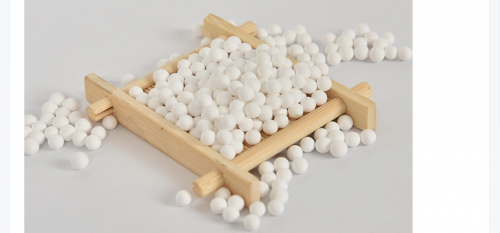
Sodium Bisulfite
CANADA Chemical is leading one Largest Supplier,Distributor,


Canada Chemical is one of the Disodium Octaborate Tetrahydrate manufacturers, exporters, and suppliers in Vancouver, Montreal ,Quebec, Ontario, Toronto, Hamilton, Ottawa Canada. We are supplied to various industrial markets including Household, Institutional Cleaning, Personal Care, and Industrial sectors including Oil fields, chemical, Animal feed additive, Food additive, Agrochemical, Fertilizer, pharmaceuticals, water treatment, Minerals, Lubricants, Marine Industry, Metal Working chemical industry, and Coatings markets.
Are you looking for customized bulk Disodium Octaborate Tetrahydrate of high quality? Canada Chemical is one of the leading such manufacturers and suppliers, which is waiting for you to buy Boron Humate in stock from us.
Disodium Octaborate Tetrahydrate is a white, odorless, powdered substance containing the basic elements of boron and oxygen, and is most often used in pest control products that are designed to target wood-destroying insects such as termites, carpenter ants, and powderpost beetles.
Disodium Octaborate Tetrahydrate is not flammable and presents little or no hazard (to humans).
This product is a multi-functional boron product with a general application in both industrial and consumer products.
It is a mild alkaline salt consisting of a fine white powder that is readily soluble in water.
It dissolves even in cool water to give supersaturated solutions with high boron concentrations.
Disodium octaborate tetrahydrate, an alkaline salt, is produced in two forms. One is a clear, liquid concentrate or it is packaged as a white, odorless, powdered chemical substance that is not flammable, combustible, or explosive and has low acute oral and dermal toxicity. This salt, which is commonly confused with boric acid, is used as an insecticide and is commonly sold in liquid or powder form. It is also effective against fungi and algae. It has an unlimited shelf life and is not affected by temperature.
"Bora-Care" is the liquid form suitable for use in a sprayer. The powdered brands are "Tim-Bor," "Borathor," "Termite Prufe" or "Board Defense" as sold in the United States, and as "Can-Bor" in Canada. This chemical is also a flame-retardant. In the liquid form, it is commonly diluted and sprayed on wood surfaces to kill termites, powder post beetles, carpenter ants, fungi and algae. It is also available as pellets for embedding in structural wood. This alkaline salt is not to be confused with boric acid (an acidic chemical) or the laundry detergent additive used for stains.
In common use as a termite control or for termite prevention, the liquid concentrate is used at a ratio of 1:1 with water. The advantages to this chemical over conventional pest control treatment is that it is non-carcinogenic and has a low toxicity to humans and pets. It is also odorless and proper application lasts for the lifetime of the wood. Repeat treatment is not necessary. It is best used during new construction, however, it is more commonly used after the fact on homes originally treated with chemicals that have become inactive.
It was shown to significantly reduce dust mite populations in the home when combined with regular vacuum cleaner use.
Applications: Flame retardant, anticorrosive, Cleaning product.
Packing: 25 kg net per kraft bag with PE inner, available in packages of 1.000 kg, 25 kg, 10 kg, 5 kg and 1 kg.
Storage : stored in the dry and ventilated inside storeroom ,prevent direct sunlight ,slightly pile and put down .
1. Agriculture: Fertilizer, Plant growth regulator, Used in the leaves of boron nutrition deficiency.
2. Industry: Fungicide, pesticide, fungi ulcer.
Target pests: Ants, cockroaches, cricket, etc.
3. Applications: Flame retardant, anticorrosive, Cleaning products
We are trying our best to supply every chemical you may wish to buy. However, if there is something you can’t find, feel free to contact us and we will find just what you are looking for and offer you a competitive price. For more information or to request a particular product, call customer services or Given website Email address.
chemicals@canadachemical.com
Canada Chemical is one of the ammonium sulfate granule manufacturers, exporters, and suppliers in Vancouver, Montreal ,Quebec, Ontario, Toronto, Hamilton, Ottawa Canada. We are supplied to various industrial markets including Household, Institutional Cleaning, Personal Care, and Industrial sectors including Oil fields, chemical, Animal feed additive, Food additive, Agrochemical, Fertilizer, pharmaceuticals, water treatment, Minerals, Lubricants, Marine Industry, Metal Working chemical industry, and Coatings markets.
Are you looking for customized bulk ammonium sulfate (n 21%) granule of high quality? Canada Chemical is one of the leading such manufacturers and suppliers, which is waiting for you to buy ammonium sulfate (n 21%) granule in stock from us.
The ammonium sulfate is made from monosodium glutamate wastewater. After extract protein concentrate by flotation, then through four efficiency units and double-effect concentrator double concentrated, get the product from concentrated liquid crystalline.
Application
1. In agriculture, used for nitrogen fertilizer. It is a kind of action fertilizer that can make crops thrive and improve fruit quality and yield and strengthen resistance to disaster, can be used for common soil and plant in basic fertilizer or additive fertilizer and seed manure. It can be suitable especially for soil that lacks sulfur, but for acid soil, ammonium sulfate needs to be applied with lime.
2. Raw material for making compound fertilizer.
3. Used for ruminant feed additive such as horse, cattle, and so on.
Character: A kind of good nitrogen source, for its fully solubility character, widely use for irrigation purpose, suitable for normal soil condition and common crops, promote growth increase yield. Improve fruits quality, use as base, topdressing,seeds fertilizer.
We are trying our best to supply every chemical you may wish to buy. However, if there is something you can’t find, feel free to contact us and we will find just what you are looking for and offer you a competitive price. For more information or to request a particular product, call customer services or Given website Email address.
chemicals@canadachemical.com
Canada Chemical is one of the leading Acetone, or propanone manufacturers, exporters, and suppliers in Vancouver, Montreal ,Quebec, Ontario, Toronto, Hamilton, Ottawa Canada. We are supplied to various industrial markets including Household, Institutional Cleaning, Personal Care, and Industrial sectors including Oil fields, chemical, Animal feed additive, Food additive, Agrochemical, Fertilizer, pharmaceuticals, water treatment, Minerals, Lubricants, Marine Industry, Metal Working chemical industry, and Coatings markets.
Acetone, or propanone, is an organic compound with the formula (CH3)2CO. It is the simplest and smallest ketone. It is a colourless, highly volatile and flammable liquid with a characteristic pungent odour.Acetone is mainly used in industry as a solvent for explosives, plastics, rubber, fibers, tanning, oil, paint and other industries, but also as an important raw material for the synthesis of enone, acetic anhydride, iodoform, polyisoprene rubber, methyl methacrylate, chloroform, epoxy resin and other materials.Also often illegal elements do drugs of raw material bromophenylacetone.
Acetone is a good solvent for many plastics and some synthetic fibers. It is used for thinning polyester resin, cleaning tools used with it, and dissolving two-part epoxies and superglue before they harden. It is used as one of the volatile components of some paints and varnishes. As a heavy-duty degreaser, it is useful in the preparation of metal prior to painting or soldering, and to remove rosin flux after soldering (to prevent adhesion of dirt and electrical leakage and perhaps corrosion or for cosmetic reasons), although it attacks many electronic components (for example polystyrene capacitors) so it is unsuitable for cleaning many circuit boards.
C3H6O Uses (Acetone)
It is used as a solvent for synthetic fibers and plastics.
It is used as a precursor for methyl methacrylate.
It is used to prepare metal before painting.
It is used in pharmaceutical industries in some drugs.
It is volatile and hence used in the laboratory to rinse lab glassware.
It is used as a drying agent.
It is used in the defatting process.
It is used in cosmetics such as nail polish remover.
It is used in the treatment of acne.
Acetone, or propanone Grade
Technical Grade
Specialty Grade
Acetone, or propanone Type
Solvents
Bisphenol-A
Methyl Methacrylate (MMA)
Methyl Isobutyl Ketone
Others
Acetone, or propanone application
Cosmetics
Electronics
Automotive
Construction
Agriculture
Paints & Coatings
Pharmaceuticals
Plastics& RubberIndustry
Explosive Industry
Others
We are trying our best to supply every chemical you may wish to buy. However, if there is something you can’t find, feel free to contact us and we will find just what you are looking for and offer you a competitive price. For more information or to request a particular product, call customer services or Given website Email address.
mail@muscatchemical.com

Canada Chemical is one of the leading Activated alumina manufacturers, exporters, and suppliers in Vancouver, Montreal ,Quebec, Ontario, Toronto, Hamilton, Ottawa Canada. We are supplied to various industrial markets including Household, Institutional Cleaning, Personal Care, and Industrial sectors including Oil fields, chemical, Animal feed additive, Food additive, Agrochemical, Fertilizer, pharmaceuticals, water treatment, Minerals, Lubricants, Marine Industry, Metal Working chemical industry, and Coatings markets.
Activated alumina is manufactured from aluminium hydroxide by dehydroxylating it in a way that produces a highly porous material; this material can have a surface area significantly over 200 m²/g. The compound is used as a desiccant (to keep things dry by absorbing water from the air) and as a filter of fluoride, arsenic and selenium in drinking water. It is made of aluminium oxide (alumina; Al2O3). It has a very high surface-area-to-weight ratio, due to the many "tunnel like" pores that it has. Activated alumina in its phase composition can be represented only by metastable forms (gamma-Al2O3 etc.). Corundum (alpha-Al2O3), the only stable form of aluminum oxide, does not have such a chemically active surface and is not used as a sorbent.
Activated Alumina are a family of aluminum oxides (Al2O3) used as a desiccant, or drying agent, for industrial liquids and gases such as air, nitrogen, oxygen, carbon dioxide and hydrocarbons.
Activated alumina is used for a wide range of adsorbent and catalyst applications including the adsorption of catalysts in polyethylene production, in hydrogen peroxide production, as a selective adsorbent for many chemicals including arsenic, fluoride and in sulfur removal from gas streams (Claus Catalyst process). Finally Activated Alumina are also used as filters for fluoride, arsenic and selenium in drinking water.
Activated alumina are both high surface area beads and crushed products that are "activated" by a proprietary process to achieve specific surface chemistry and reactivity. Commonly used as adsorbents, desiccants and catalysts, the chemistry, size and structure of these alumina are tailored to specific applications Additives are also commonly used with activated alumina to achieve even greater performance in certain applications e.g. removal of sulphur and chloride in refinery applications.
Application
1. Desiccant/Dehydration.
2. Hydrogen peroxide manufacturing.
3. Polyethylene production.
4. Defluorination of alkylation product streams.
5. Water treatment (fluoride and arsenic removal).
6. Aqueous treatment (removal of hydrogen sulphide, carbonyl chloride and hydrogen chloride).
7. Off-gas treatment (carbon dioxide, hydrogen chloride and hydrogen sulphide removal).
8. Removal of alcohol and ether from liquid streams.
Vacuum systems
In high vacuum applications, activated alumina is used as a charge material in fore-line traps to prevent oil generated by rotary vane pumps from back streaming into the system. A baffle of activated alumina can also replace the refrigerated trap often required for diffusion pumps, though this is rarely used.
Biomaterial
Its mechanical properties and non-reactivity in the biological environment allow it to be a suitable material used to cover surfaces in friction in body prostheses (e.g. hip or shoulder prostheses).
Defluoridation
Defluoridation is the downward adjustment of the level of fluoride in drinking water. Activated Alumina process is one of the widely used adsorption methods for the defluoridation of drinking water.
Catalyst applications
Activated alumina is used for a wide range of adsorbent and catalyst applications including the adsorption of catalysts in polyethylene production, in hydrogen peroxide production, as a selective adsorbent for many chemicals including arsenic, fluoride, in sulfur removal from fluid streams (Claus Catalyst process).
Desiccant
Used as a desiccant, it works by a process called adsorption. The water in the air actually sticks to the alumina itself in between the tiny passages as the air passes through them. The water molecules become trapped so that the air is dried out as it passes through the filter. This process is reversible. If the alumina desiccant is heated to ~200 °C, it will release the trapped water. This process is called regenerating the desiccant.
We are trying our best to supply every chemical you may wish to buy. However, if there is something you can’t find, feel free to contact us and we will find just what you are looking for and offer you a competitive price. For more information or to request a particular product, call customer services or Given website Email address.
chemicals@canadachemical.com
Canada Chemical is one of the leading Coolant manufacturers, exporters, and suppliers in Vancouver, Montreal ,Quebec, Ontario, Toronto, Hamilton, Ottawa Canada. We are supplied to various industrial markets including Household, Institutional Cleaning, Personal Care, and Industrial sectors including Oil fields, chemical, Animal feed additive, Food additive, Agrochemical, Fertilizer, pharmaceuticals, water treatment, Minerals, Lubricants, Marine Industry, Metal Working chemical industry, and Coatings markets.
A coolant is a substance, typically liquid or gas, that is used to reduce or regulate the temperature of a system. An ideal coolant has high thermal capacity, low viscosity, is low-cost, non-toxic, chemically inert and neither causes nor promotes corrosion of the cooling system. Some applications also require the coolant to be an electrical insulator.
While the term "coolant" is commonly used in automotive and HVAC applications, in industrial processing heat transfer fluid is one technical term more often used in high temperature as well as low temperature manufacturing applications. The term also covers cutting fluids. Industrial cutting fluid has broadly classified as water-soluble coolant and neat cutting fluid. Water-soluble coolant is oil in water emulsion. It has varying oil content from nil oil (synthetic coolant).
This coolant can either keep its phase and stay liquid or gaseous, or can undergo a phase transition, with the latent heat adding to the cooling efficiency. The latter, when used to achieve below-ambient temperature, is more commonly known as refrigerant.
Water is the most common coolant. Its high heat capacity and low cost makes it a suitable heat-transfer medium. It is usually used with additives, like corrosion inhibitors and antifreeze. Antifreeze, a solution of a suitable organic chemical (most often ethylene glycol, diethylene glycol, or propylene glycol) in water, is used when the water-based coolant has to withstand temperatures below 0 °C, or when its boiling point has to be raised. Betaine is a similar coolant, with the exception that it is made from pure plant juice, and is therefore not toxic or difficult to dispose of ecologically.
Very pure deionized water, due to its relatively low electrical conductivity, is used to cool some electrical equipment, often high-power transmitters and high-power vacuum tubes.
Heavy water is a neutron moderator used in some nuclear reactors; it also has a secondary function as their coolant. Light water reactors, both boiling water and pressurised water reactors the most common type, use ordinary (light) water. Some designs, e.g. CANDU reactor, use both types; heavy water in the nonpressurized calandria tank as the moderator and a supplementary coolant, and light water as the primary heat transfer fluid.
Mineral oils serve as both coolants and lubricants in many mechanical gears. Some vegetable oils, e.g. castor oil are also used. Due to their high boiling points, mineral oils are used in portable electric radiator-style space heaters in residential applications, and in closed-loop systems for industrial process heating and cooling. Mineral oil is often used in submerged PC systems as it is non-conductive and therefore won't short circuit or damage any parts.
Polyphenyl ether oils are suitable for applications needing high temperature stability, very low volatility, inherent lubricity, and/or radiation resistance. Perfluoropolyether oils are their more chemically inert variant.
Transformer oil is used for cooling and additional electric insulation of high-power electric transformers. Mineral oils are usually used. Silicone oils are employed for special applications. Polychlorinated biphenyls were commonly used in old equipment, which now can possess risk of contamination.
Fuels are frequently used as coolants for engines. A cold fuel flows over some parts of the engine, absorbing its waste heat and being preheated before combustion. Kerosene and other jet fuels frequently serve in this role in aviation engines. Liquid hydrogen is used to cool nozzles of rocket engines.
Waterless coolant is used as an alternative to conventional water and ethylene glycol coolants. With higher boiling points than water (around 370F), the cooling technology resists boil over. The liquid also prevents corrosion.
Freons were frequently used for immersive cooling of e.g. electronics.
We are trying our best to supply every chemical you may wish to buy. However, if there is something you can’t find, feel free to contact us and we will find just what you are looking for and offer you a competitive price. For more information or to request a particular product, call customer services or Given website Email address.
chemicals@canadachemical.com
Canada Chemical is one of the Boron Humate manufacturers, exporters, and suppliers in Vancouver, Montreal ,Quebec, Ontario, Toronto, Hamilton, Ottawa Canada. We are supplied to various industrial markets including Household, Institutional Cleaning, Personal Care, and Industrial sectors including Oil fields, chemical, Animal feed additive, Food additive, Agrochemical, Fertilizer, pharmaceuticals, water treatment, Minerals, Lubricants, Marine Industry, Metal Working chemical industry, and Coatings markets.
Are you looking for customized bulk Boron Humate of high quality? Canada Chemical is one of the leading such manufacturers and suppliers, which is waiting for you to buy Boron Humate in stock from us.
Boron Humate is extracted from natural high grade Leonardite, with 10% B2O3. It contains 50% humic acid, which can stimulate plant growth, prompt root development and increase yield and improve quality of plants.
Benefits:
1. Boron is complexed into a humate colloid to create a slow-release response.
2. Boron increse calcium efficiency and like calcicum, is involved in cell wall strength and is important for good root development.
3. Enhance plant anti-disease capabilities.
4. Accelerate folower bud differentiation.
5. Increase fruit livability, especially to beans, fruits or oil-bearing crops.
6. Boron plays a critical role during the pollination stage of the reproduction process.
7. Unlike traditional boron sources, this product can safely be included with seed.
Application:
Soil broadcast: 10-25kg per ha
Planting Blends: Include at 7% of fertilizer rate. I. E. 7kg of boron humate with every 100kg of granular fertilizer but do not exceed 12kg per ha.
Benefits in agriculture:
Humic acid is a polymer of boron chelates, the appearance of black-brown powder or granular, which is required for plant nitrogen, phosphorus element boron compound become high-performance multi-functional compound, it can promote crop growth, and enhance plant anti-virus capabilities, to promote plant flower bud differentiation, the results of the rate of increase in crop, fruit-shaped seedlings are swelling the natural organic microelement fertilizer.
We are trying our best to supply every chemical you may wish to buy. However, if there is something you can’t find, feel free to contact us and we will find just what you are looking for and offer you a competitive price. For more information or to request a particular product, call customer services or Given website Email address.
chemicals@canadachemical.com
Canada Chemical is one of the leading Demulsifiers manufacturers, exporters, and suppliers in Vancouver, Montreal ,Quebec, Ontario, Toronto, Hamilton, Ottawa Canada. We are supplied to various industrial markets including Household, Institutional Cleaning, Personal Care, and Industrial sectors including Oil fields, chemical, Animal feed additive, Food additive, Agrochemical, Fertilizer, pharmaceuticals, water treatment, Minerals, Lubricants, Marine Industry, Metal Working chemical industry, and Coatings markets.
Demulsifiers, or emulsion breakers, are a class of specialty chemicals used to separate emulsions, for example, water in oil. They are commonly used in the processing of crude oil, which is typically produced along with significant quantities of saline water. This water (and salt) must be removed from the crude oil prior to refining. If the majority of the water and salt are not removed, significant corrosion problems can occur in the refining process.
demulsifier is a compound polymer water treatment agent, which is widely used in oil exploitation, processing and refining, papermaking, chemical fiber and textile, chemical industry, and all kinds of wastewater and waste liquid treatment in cities. The demulsifier can effectively break the oil in water emulsion, shorten the time of oil-water separation, and is well miscible with water, and is effective in a wide range of pH value.
Demulsifier is oil exploration, oil refining, wastewater treatment industry of chemical agents. The demulsifier belongs to the surface active agent in organic synthesis.It has good wettbility and enough ability of flocculation . It can make the demulsification quickly and achieve the effect of oil-water separation. The product is suitable for all kinds of oil exploration and oil-water separation around the world. It can be used in desalination and dehydration of refinery sewage treatment, sewage purification, oily wastewater treatment and so on.
Application Filed
The product could be used to oil second mining,the mining output product dehydration,oil field sewage treatment,oil field containing polymer flooding sewage,oil refinery wastewater treatment,oily water in food processing,paper mill wastewater and the middle deinking wastewater treatment,urban underground sewage,etc.
Advantage
1. The demulsification speed is fast, that is, the demulsification is added.
2. High demulsification efficiency. After demulsification, it can directly enter the biochemical system without any other problems to microorganisms.
3. Compared with other demulsifiers, the treated flocs are greatly reduced, reducing the subsequent sludge treatment.
4. At the same time of demulsification, it removes the viscosity of oily colloids and does not adhere to sewage treatment equipment. This greatly increases the working efficiency of all levels of oil removal containers, and the oil removal efficiency is increased by about 2 times.
5. No heavy metals, reducing secondary pollution to the environment.
Application Method
1. Before use, the optimal dosage should be determined through lab test according to the type and concentration of oil in the water.
2. This product can be added after being diluted 10 times, or the original solution can be added directly.
3.The dosage depends on the lab test. The product can also be used with polyaluminum chloride and polyacrylamide.
Demulsifiers are typically based on the following chemistry:
Acid catalysed phenol-formaldehyde resins
Base catalysed phenol-formaldehyde resins
Epoxy resins
Polyethyleneimines
Polyamines
Di-epoxides
Polyols
dendrimer
The above are usually ethoxylated (and/or propoxylated) to provide the desired degree of water/oil solubility. The addition of ethylene oxide increases water solubility, propylene oxide decreases it.
Commercially available demulsifier formulations are typically a mixture of two to four different chemistries, in carrier solvent(s) such as xylene, heavy aromatic naphtha (HAN), Isopropanol, methanol, 2-Ethylhexanol or diesel.
We are trying our best to supply every chemical you may wish to buy. However, if there is something you can’t find, feel free to contact us and we will find just what you are looking for and offer you a competitive price. For more information or to request a particular product, call customer services or Given website Email address.
chemicals@canadachemical.com
Canada Chemical is one of the leading Chlorine tablets manufacturers, exporters, and suppliers in Vancouver, Montreal ,Quebec, Ontario, Toronto, Hamilton, Ottawa Canada.. We are supplied to various industrial markets including Household, Institutional Cleaning, Personal Care, and Industrial sectors including Oil fields, chemical, Animal feed additive, Food additive, Agrochemical, Fertilizer, pharmaceuticals, water treatment, Minerals, Lubricants, Marine Industry, Metal Working chemical industry, and Coatings markets.
Chlorine tablets(Trichloroisocyanuric acid) is a disinfectant which has the advantages of spectrum, high efficiency, low toxicity, safety, safe use, stable storage and convenient transportation. It is mainly used for disinfection, sterilization, bleaching, descaling, deodorization, deodorization, wool shrinkproof, rubber oxidant, leather surfactant, etc. It is especially suitable for public swimming pool and family swimming pool.
Water treatment: Swimming-pool, drinking water, industrial circulating-cooling water. Sterilization: Disinfecting in hospital, family, public place, pharmaceuticals and breeding industry. Bleach: Organic synthetic industry, textile industry. Others: Aquaculture industry, to be used in doing shrink-proofing agents in wool finishing and paper mothproofing agent etc.
1)It can be used for swimming pool and drinking water treatment, clean the industrial circulating water.
2)It can be used as preventive disinfection of house, hotel, hospital and public place; used on the environmental sterilization of
raising fish.
3)It can be used to bleach the textile, to prevent wool from shrinkage, to prevent paper by decay and act as rubber chlorination.
1. tcca 90% powder 90% POWDER.
2. tcca 90% powder 90% GRANULAR, the regular particle size is 8-30 mesh.
3. tcca 90% powder 90% pure white tablet, the regular tablet weight is 200g or20g.
chlorine tablets are made of calcium hypochlorite, a common household bleach. These tablets dissolve in the wastewater, re- leasing the hypochlorite, which then becomes hypochlorous acid, the pri- mary disinfectant.
Usage:
Used as a sanitizing, bleaching, and disinfecting agent (dry bleaches, dishwashing compounds, scouring powders, detergent-sanitizers, food processing, swimming pool disinfectants, and water and sewage treatment);
Used in industrial deodorants, non-shrinking treatment of wool, and bleaching of textiles.
These industrial estates are located in key locations of Oman such as Rusayl, Salalah, Sohar, Sur, Nizwa and Buraimi.
We are trying our best to supply every chemical you may wish to buy. However, if there is something you can’t find, feel free to contact us and we will find just what you are looking for and offer you a competitive price. For more information or to request a particular product, call customer services or Given website Email address.
mail@muscatchemical.com
Canada Chemical is one of the leading Activated alumina manufacturers, exporters, and suppliers in Vancouver, Montreal ,Quebec, Ontario, Toronto, Hamilton, Ottawa Canada. We are supplied to various industrial markets including Household, Institutional Cleaning, Personal Care, and Industrial sectors including Oil fields, chemical, Animal feed additive, Food additive, Agrochemical, Fertilizer, pharmaceuticals, water treatment, Minerals, Lubricants, Marine Industry, Metal Working chemical industry, and Coatings markets.
Activated alumina is manufactured from aluminium hydroxide by dehydroxylating it in a way that produces a highly porous material; this material can have a surface area significantly over 200 m²/g. The compound is used as a desiccant (to keep things dry by absorbing water from the air) and as a filter of fluoride, arsenic and selenium in drinking water. It is made of aluminium oxide (alumina; Al2O3). It has a very high surface-area-to-weight ratio, due to the many "tunnel like" pores that it has. Activated alumina in its phase composition can be represented only by metastable forms (gamma-Al2O3 etc.). Corundum (alpha-Al2O3), the only stable form of aluminum oxide, does not have such a chemically active surface and is not used as a sorbent.
Activated Alumina are a family of aluminum oxides (Al2O3) used as a desiccant, or drying agent, for industrial liquids and gases such as air, nitrogen, oxygen, carbon dioxide and hydrocarbons.
Activated alumina is used for a wide range of adsorbent and catalyst applications including the adsorption of catalysts in polyethylene production, in hydrogen peroxide production, as a selective adsorbent for many chemicals including arsenic, fluoride and in sulfur removal from gas streams (Claus Catalyst process). Finally Activated Alumina are also used as filters for fluoride, arsenic and selenium in drinking water.
Activated alumina are both high surface area beads and crushed products that are "activated" by a proprietary process to achieve specific surface chemistry and reactivity. Commonly used as adsorbents, desiccants and catalysts, the chemistry, size and structure of these alumina are tailored to specific applications Additives are also commonly used with activated alumina to achieve even greater performance in certain applications e.g. removal of sulphur and chloride in refinery applications.
Application
1. Desiccant/Dehydration.
2. Hydrogen peroxide manufacturing.
3. Polyethylene production.
4. Defluorination of alkylation product streams.
5. Water treatment (fluoride and arsenic removal).
6. Aqueous treatment (removal of hydrogen sulphide, carbonyl chloride and hydrogen chloride).
7. Off-gas treatment (carbon dioxide, hydrogen chloride and hydrogen sulphide removal).
8. Removal of alcohol and ether from liquid streams.
Vacuum systems
In high vacuum applications, activated alumina is used as a charge material in fore-line traps to prevent oil generated by rotary vane pumps from back streaming into the system. A baffle of activated alumina can also replace the refrigerated trap often required for diffusion pumps, though this is rarely used.
Biomaterial
Its mechanical properties and non-reactivity in the biological environment allow it to be a suitable material used to cover surfaces in friction in body prostheses (e.g. hip or shoulder prostheses).
Defluoridation
Defluoridation is the downward adjustment of the level of fluoride in drinking water. Activated Alumina process is one of the widely used adsorption methods for the defluoridation of drinking water.
Catalyst applications
Activated alumina is used for a wide range of adsorbent and catalyst applications including the adsorption of catalysts in polyethylene production, in hydrogen peroxide production, as a selective adsorbent for many chemicals including arsenic, fluoride, in sulfur removal from fluid streams (Claus Catalyst process).
Desiccant
Used as a desiccant, it works by a process called adsorption. The water in the air actually sticks to the alumina itself in between the tiny passages as the air passes through them. The water molecules become trapped so that the air is dried out as it passes through the filter. This process is reversible. If the alumina desiccant is heated to ~200 °C, it will release the trapped water. This process is called regenerating the desiccant.
We are trying our best to supply every chemical you may wish to buy. However, if there is something you can’t find, feel free to contact us and we will find just what you are looking for and offer you a competitive price. For more information or to request a particular product, call customer services or Given website Email address.
chemicals@canadachemical.com
Canada Chemical is one of the leading Ethylene glycol manufacturers, exporters, and suppliers in Vancouver, Montreal ,Quebec, Ontario, Toronto, Hamilton, Ottawa Canada. We are supplied to various industrial markets including Household, Institutional Cleaning, Personal Care, and Industrial sectors including Oil fields, chemical, Animal feed additive, Food additive, Agrochemical, Fertilizer, pharmaceuticals, water treatment, Minerals, Lubricants, Marine Industry, Metal Working chemical industry, and Coatings markets.
Ethylene glycol (IUPAC name: ethane-1,2-diol) is an organic compound with the formula (CH2OH)2. It is mainly used for two purposes, as a raw material in the manufacture of polyester fibers and for antifreeze formulations. It is an odorless, colorless, sweet-tasting, viscous liquid. Ethylene Glycol is mainly used for two purposes, as a raw material in the manufacture of polyester fibers and for antifreeze formulations. Household pets are especially susceptible to ethylene glycol poisoning from vehicle antifreeze leaks.
Applications
Minor uses of ethylene glycol include the manufacture of capacitors, as a chemical intermediate in the manufacture of 1,4-dioxane, as an additive to prevent corrosion in liquid cooling systems for personal computers, and inside the lens devices of cathode-ray tube type of rear projection televisions. Ethylene glycol is also used in the manufacture of some vaccines, but it is not itself present in these injections. It is used as a minor (1–2%) ingredient in shoe polish and also in some inks and dyes. Ethylene glycol has seen some use as a rot and fungal treatment for wood, both as a preventative and a treatment after the fact.
It has been used in a few cases to treat partially rotted wooden objects to be displayed in museums. It is one of only a few treatments that are successful in dealing with rot in wooden boats, and is relatively cheap. Ethylene glycol may also be one of the minor ingredients in screen cleaning solutions, along with the main ingredient isopropyl alcohol. Ethylene glycol is commonly used as a preservative for biological specimens, especially in secondary schools during dissection as a safer alternative to formaldehyde. It is also used as part of the water-based hydraulic fluid used to control subsea oil and gas production equipment.
Ethylene glycol is used as a protecting group in organic synthesis to protect carbonyl compounds such as ketones and aldehydes.
Silicon dioxide reacts in heated reflux under dinitrogen with ethylene glycol and an alkali metal base to produce highly reactive, pentacoordinate silicates which provide access to a wide variety of new silicon compounds. The silicates are essentially insoluble in all polar solvents except methanol.
It also can be used in vaccine manufacture or as a formaldehyde substitute when preserving biological specimens.
Use:
It is mainly used in making polyester, polyester resin, hygroscopic agent, plasticizer, surfactant, synthetic fiber, cosmetics and explosives, as solvent for dyes, inks, etc., antifreeze agent for engine, dehydrating agent for gas, manufacturing resin, wetting agent for cellophane, fiber, leather and adhesive.
It can produce synthetic resin PET, fiber grade PET namely polyester fiber, bottle chip grade PET for making mineral water bottle, etc.
Also can produce alkyd resin, glyoxal, etc., also used as antifreeze.
In addition to being used as an automobile antifreeze, it is also used in the transportation of industrial cooling capacity, commonly called as a refrigerant carrier. At the same time, it can also be used as a condensate like water.
We are trying our best to supply every chemical you may wish to buy. However, if there is something you can’t find, feel free to contact us and we will find just what you are looking for and offer you a competitive price. For more information or to request a particular product, call customer services or Given website Email address.
We are marine chemical supplier since 1996.These Marine Chemicals include different sets of products such as Tank Cleaners, Maintenance Chemicals, Cooling Water Treatment Chemicals, Boiler Water Treatment Chemicals, Fuel Additives, etc.

CANADA Chemical is leading one Largest Supplier,Distributor,

CANADA Chemical is leading one Largest Supplier, Manufa