Sodium Bisulfite
CANADA Chemical is leading one Largest Supplier,Distributor,


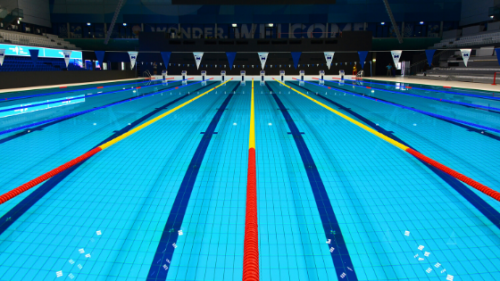
Whatever type of pool you have, Canada Chemical International offers products to help keep it crystal clear and safe, maximizing its use and minimizing running costs.
Our product range includes:
• Calcium hypochlorite granular
• pH Control
• Disinfecting chlorines
• Algaecides
• Flocculants
• Filters systems
We are one of the largest manufacturers and suppliers of Swimming pool chemicals in British Columbia Ontario, Quebec, Saskatchewan, Alberta, Manitoba, New Brunswick, Newfoundland, and Nova Scotia. We at Canda Chemicals have a ready stock of varieties of high-quality chemicals.
Email your requirements/queries to chemicals@canadachemical.com and we will assist you!
Canada Chemical is one of the leading Oxalic acid manufacturers, exporters, and suppliers in Vancouver, Montreal ,Quebec, Ontario, Toronto, Hamilton, Ottawa Canada. We are supplied to various industrial markets including Household, Institutional Cleaning, Personal Care, and Industrial sectors including Oil fields, chemical, Animal feed additive, Food additive, Agrochemical, Fertilizer, pharmaceuticals, water treatment, Minerals, Lubricants, Marine Industry, Metal Working chemical industry, and Coatings markets.
Oxalic acid is an organic acid with the IUPAC name ethanedioic acid and formula HO2C−CO2H. It is the simplest dicarboxylic acid. It is a white crystalline solid that forms a colorless solution in water. Its name comes from the fact that early investigators isolated oxalic acid from flowering plants of the genus Oxalis, commonly known as wood-sorrels. It occurs naturally in many foods, but excessive ingestion of oxalic acid or prolonged skin contact can be dangerous.
CAS Number
144-62-7 (anhydrous)
6153-56-6 (dihydrate)
Supply High Quality CAS No 144-62-7 Oxalic Acid Anhydrous.
Oxalic acid has much greater acid strength than acetic acid. It is a reducing agent and its conjugate base, known as oxalate (C2O
2−4), is a chelating agent for metal cations. Typically, oxalic acid occurs as the dihydrate with the formula C2H2O4·2H2O.
Applications
Oxalic acid's main applications include cleaning or bleaching, especially for the removal of rust (iron complexing agent). Its utility in rust removal agents is due to its forming a stable, water-soluble salt with ferric iron, ferrioxalate ion. The cleaning product Zud contains oxalic acid. Oxalic acid is an ingredient in some tooth whitening products. About 25% of produced oxalic acid will be used as a mordant in dyeing processes. It is also used in bleaches, especially for pulpwood, and for rust removal and other cleaning, in baking powder, and as a third reagent in silica analysis instruments.
Niche uses
Oxalic acid is used by some beekeepers as a miticide against the parasitic varroa mite.
Dilute solutions (0.05–0.15 M) of oxalic acid can be used to remove iron from clays such as kaolinite to produce light-colored ceramics.
Oxalic acid is used to clean minerals.
Oxalic acid is sometimes used in the aluminum anodizing process, with or without sulfuric acid. Compared to sulfuric acid anodizing, the coatings obtained are thinner and exhibit lower surface roughness.
Oxalic acid is also widely used as a wood bleach, most often in its crystalline form to be mixed with water to its proper dilution for use.
1. Purifying agent in pharmaceutical industry, special in antibiotic medication, such as oxytetracycline, Chloramphenicol etc;
2. Precipitating agent in Rare-earth mineral processing;
3. Bleaching agent in the textile activities, wood pulp bleaching;
4. Rust-remover for metal treatment;
5. Grinding agent, such as marble polishing;
6. Waste water treatment, removing calcium from water.
Oxalic acid:
CAS No. : 6153-56-6
MF : C2H6O6
Purity : ≥99%
Appearance : White crystalline small particles or powder
Application :
1, oxalic acid is mainly used as a reducing agent and bleaching agent.
2, dyeing industry as bleach, washing industry as a reductant.
3, for the production of antibiotics and borneol and other drugs and refined rare metal solvents, dye reductant, tanning agents.Storage Precautions: Transport by country, far from oxides and alkalis. Storage and transportation according to toxic chemicals. Stored in a cool, dry, ventilated not subject to Japan, the storage period of 2 years.
Packaging: plastic woven bag, lined with plastic bag, net weight 25kg.
Usage:
1. In Metallurgy industry:
as precipitating and separating function for Rare-earth metal.
2. In Light industry: polishing for Marble, rust-remover, bleaching, dirt-remover, leather-processing, wood, and aluminium products etc.
3. In Dyeing and printing industry: as reducing agent for dyeing and printing industry, as bleaching agent for textile, substitute for Acetic acid, as coloring mordant for fast pigment dyestuff.
4. In organic synthetic: used in 2133 resin, Urea-formaldehyde molding powder, Butadiene catalyst, etc.
5. In electron industry: preparation of chemicals raw material for porcelain capacitor, preparation of electron equipment detergent.
6. In other aspects: as analysis reagent, raw material of chemicals.
We are trying our best to supply every chemical you may wish to buy. However, if there is something you can’t find, feel free to contact us and we will find just what you are looking for and offer you a competitive price. We have many customers in the United States, Canada, Mexico, Australia, United Kingdom, and European Union countries and retain long-term cooperation.
When you order in our company, we will immediately arrange shipment and update tracking information for you by email.In addition,we can also arrange door to door service delivering to your office or factory directly by our forwarders. For more information or to request a particular product, call customer services or Given website Email address.
chemicals@canadachemical.com
Canada Chemical is one of the leading Maleic acid manufacturers, exporters, and suppliers in Vancouver, Montreal ,Quebec, Ontario, Toronto, Hamilton, Ottawa Canada. We are supplied to various industrial markets including Household, Institutional Cleaning, Personal Care, and Industrial sectors including Oil fields, chemical, Animal feed additive, Food additive, Agrochemical, Fertilizer, pharmaceuticals, water treatment, Minerals, Lubricants, Marine Industry, Metal Working chemical industry, and Coatings markets.
Maleic acid or cis-butenedioic acid is an organic compound that is a dicarboxylic acid, a molecule with two carboxyl groups. Its chemical formula is HO2CCH=CHCO2H. Maleic acid is the cis-isomer of butenedioic acid, whereas fumaric acid is the trans-isomer. It is mainly used as a precursor to fumaric acid, and relative to its parent maleic anhydride, maleic acid has few applications.
MALEIC ACID
Chemical name: Cis-butenedioic Acid
Molecular formula: C4H4O4
Molecular weight: 116.07
CAS No.: 110-16-7
In industry, maleic acid is derived by hydrolysis of maleic anhydride, the latter being produced by oxidation of benzene or butane.
Maleic acid is an industrial raw material for the production of glyoxylic acid by ozonolysis.
Maleic acid may be used to form acid addition salts with drugs to make them more stable, such as indacaterol maleate.
Maleic acid is also used as an adhesion promoter for different substrates, such as nylon and zinc coated metals e.g galvanized steel, in methyl methacrylate based adhesives.
The major industrial use of maleic acid is its conversion to fumaric acid. This conversion, an isomerization, is catalysed by a variety of reagents, such as mineral acids and thiourea. Again, the large difference in water solubility makes fumaric acid purification easy.
The isomerization is a popular topic in schools. Maleic acid and fumaric acid do not spontaneously interconvert because rotation around a carbon carbon double bond is not energetically favourable. However, conversion of the cis isomer into the trans isomer is possible by photolysis in the presence of a small amount of bromine. Light converts elemental bromine into a bromine radical, which attacks the alkene in a radical addition reaction to a bromo-alkane radical; and now single bond rotation is possible. The bromine radicals recombine and fumaric acid is formed. In another method (used as a classroom demonstration), maleic acid is transformed into fumaric acid through the process of heating the maleic acid in hydrochloric acid solution. Reversible addition (of H+) leads to free rotation about the central C-C bond and formation of the more stable and less soluble fumaric acid.
Main function and purpose
Maleic acid is mainly used to manufacture unsaturated polyester resin, pesticide, tartaric acid, fumaric acid, succinic acid, DL-Malic acid, dyeing auxiliary and preservative grease.
We are trying our best to supply every chemical you may wish to buy. However, if there is something you can’t find, feel free to contact us and we will find just what you are looking for and offer you a competitive price. We have many customers in the United States, Canada, Mexico, Australia, United Kingdom, and European Union countries and retain long-term cooperation.
When you order in our company, we will immediately arrange shipment and update tracking information for you by email.In addition,we can also arrange door to door service delivering to your office or factory directly by our forwarders. For more information or to request a particular product, call customer services or Given website Email address.
chemicals@canadachemical.com
Canada Chemical is one of the leading Cyanuric acid manufacturers, exporters, and suppliers in Vancouver, Montreal ,Quebec, Ontario, Toronto, Hamilton, Ottawa Canada. We are supplied to various industrial markets including Household, Institutional Cleaning, Personal Care, and Industrial sectors including Oil fields, chemical, Animal feed additive, Food additive, Agrochemical, Fertilizer, pharmaceuticals, water treatment, Minerals, Lubricants, Marine Industry, Metal Working chemical industry, and Coatings markets.
Cyanuric acid or 1,3,5-triazine-2,4,6-triol is a chemical compound with the formula (CNOH)3. Like many industrially useful chemicals, this triazine has many synonyms. This white, odorless solid finds use as a precursor or a component of bleaches, disinfectants, and herbicides.
Other names
1,3,5-Triazine-2,4,6(1H,3H,5H)-trione
1,3,5-Triazinetriol
s-Triazinetriol
s-Triazinetrione
Tricarbimide
Isocyanuric acid
Pseudocyanuric acid
Cyanuric acid is used in the synthesis of cl derivatives, salts and lipids; C3Cl3N3O3; sodium or potassium dichloroisocyanurate; cyanuric acid is used in the synthesis of cyanuric acid formaldehyde resin; epoxy resin; antioxidant; coating; paint; adhesive; pesticide herbicide; metal cyanide corrosion inhibitor; polymer material modifier; etc.; used in the production of drug halotriazine.
Cyanuric acid is an acid, it has a low level of toxicity. Adding it your pool will not cause any serious health concerns for swimmers.It can be used in swimming pool cl stabilizer, sterilization, decontamination, and can also be directly used in nylon, SECCO, combustion agent and cosmetic additives, laminated plastics and high temperature glass fiber reinforced plastics.
Application
1. This product can be used in water treatment, swimming pool water treatment, drink water
treatment and algae remoStructural formula: ving of industrial circulating water.
2.It can be used in dishware disinfection, preventative disinfection of houses, hotels and
public places, hygiene and diseal control in hospitals, and environment disinfection in fish,
silkworm, livestock and poultry feeding places.
3.Moreover, it can also be used in textile cleansing and bleaching, wool shrink resistance,
paper insect resistance, and rubber chlorination, etc.
We are trying our best to supply every chemical you may wish to buy. However, if there is something you can’t find, feel free to contact us and we will find just what you are looking for and offer you a competitive price. We have many customers in the United States, Canada, Mexico, Australia, United Kingdom, and European Union countries and retain long-term cooperation.
When you order in our company, we will immediately arrange shipment and update tracking information for you by email.In addition,we can also arrange door to door service delivering to your office or factory directly by our forwarders. For more information or to request a particular product, call customer services or Given website Email address.
chemicals@canadachemical.com
Canada Chemical is one of the leading Hydrochloric acid manufacturers, exporters, and suppliers in Vancouver, Montreal ,Quebec, Ontario, Toronto, Hamilton, Ottawa Canada. We are supplied to various industrial markets including Household, Institutional Cleaning, Personal Care, and Industrial sectors including Oil fields, chemical, Animal feed additive, Food additive, Agrochemical, Fertilizer, pharmaceuticals, water treatment, Minerals, Lubricants, Marine Industry, Metal Working chemical industry, and Coatings markets.
Hydrochloric acid also known as muriatic acid, is an aqueous solution of hydrogen chloride (chemical formula: HCl). It is a colorless solution with a distinctive pungent smell. It is classified as a strong acid. It is a component of the gastric acid in the digestive systems of most animal species, including humans. Hydrochloric acid is an important laboratory reagent and industrial chemical.
Other names
Muriatic acid
Spirits of salt
Hydronium chloride
Chlorhydric Acid
Industrial /Regent /Food Use of Hydrochloric Acid
Basic Info of Hydrochloric Acid
CAS No.: 7647-01-0
Other Name: Muriatic acid
EINECS No.: 231-595-7
Hazard Class: 8
Purity: 31%,32%,33%,35%,36%
Appearance: Colourless transparent liquid
Grade Standard: Agriculture Grade, Food Grade, Industrial Grade, Medicine Grade, Reagent Grade
The use of hydrochloric acid can react with insoluble alkali, the production of clean toilet detergent and other daily necessities Hydrochloric acid is a kind of strong inorganic acid, which is widely used in industrial processing. For example, the refined hydrochloric acid of metal can often determine the quality of products One of the most important USES of hydrochloric acid is to clean steel by reacting rust or iron oxide with hydrochloric acid before subsequent treatment of iron or steel (extrusion, rolling, galvanizing, etc.). A solution of hydrochloric acid with 18% concentration is usually used as a pickling agent to clean carbon steel.
4.Useage
Hydrochloric acid is a kind of inorganic strong acid. It is widely used in industrial processing, such as metal refining.Hydrochloric acid can often determine the quality of the product.In addition to analytical chemistry, pickling steel, preparing organic compounds, preparing inorganic compounds, controlling pH and neutralizing lye, hydrochloric acid has many small-scale USES, such as leather processing, salt production, and construction.Hydrochloric acid is also commonly used in the oil industry: it is injected into oil Wells to dissolve rocks and create a huge cavity.This method is often used in the oil extraction industry of north sea oil fields.
Application
The use of hydrochloric acid can react with insoluble alkali, the production of clean toilet detergent and other daily necessities Hydrochloric acid is a kind of strong inorganic acid, which is widely used in industrial processing. For example, the refined hydrochloric acid of metal can often determine the quality of products
One of the most important USES of hydrochloric acid is to clean steel by reacting rust or iron oxide with hydrochloric acid before subsequent treatment of iron or steel (extrusion, rolling, galvanizing, etc.). A solution of hydrochloric acid with 18% concentration is usually used as a pickling agent to clean carbon steel
We are trying our best to supply every chemical you may wish to buy. However, if there is something you can’t find, feel free to contact us and we will find just what you are looking for and offer you a competitive price. We have many customers in the United States, Canada, Mexico, Australia, United Kingdom, and European Union countries and retain long-term cooperation.
When you order in our company, we will immediately arrange shipment and update tracking information for you by email.In addition,we can also arrange door to door service delivering to your office or factory directly by our forwarders. For more information or to request a particular product, call customer services or Given website Email address.
chemicals@canadachemical.com
Bromine tablets are ideal for dosing in your swimming pool or spa, to produce bromine which kills bacteria and other potentially harmful organisms. These tablets are slow dissolving and have minimal impact on pH variations when compared with chlorine which loses efficiency over pH of 7.5. Bromine combines with bacteria in pool water to neutralize it in the same way that chlorine does, however a residual of bromine stays for long in the pool which gives extended protection. The weekly shock treatment will burn off the bacteria and harmful contaminants, and leave the bromine behind in the pool water to sanitize the pool again. Hence the quantity of bromine required for shock sanitization is lesser when compared to chlorine.
Bromine is very beneficial to many people with naturally sensitive skin and there will be minimal odor issues and skin irritation when compared to chlorine.
Keeping your swimming pool water in perfect condition is a difficult task ! Green WTS offers wide range of swimming pool chemicals to make this task just that bit easier.
1. Bromine Tablets are designed for use with bromine feeders and floating dispensers for better efficiency.
2. Feeder devices can be easily refilled when the bromine tablets are used up.
3. Ensure tablets used in the feeder is BROMINE TABLETS. If other materials have been used previously, wash out feeder thoroughly before adding tablets.
4. Adjust feeder to ensure a constant bromine residual is present in the pool or spa.
5. Check bromine levels regularly with a Test Kit and maintain a bromine residual of 2 – 4 mg/l (ppm) for domestic pools, 3 – 5mg/l (ppm) for domestic spas and 4 – 6mg/l (ppm) for commercial spas.
6. Maintain pH of pool water in the range of 7.2 to 8.0 for better results.
It is available in CANADA in a packing of 10 kg and 25 kg pails.
At end use concentration, Bromine Tablet is compatible with all commonly used materials of construction in cooling systems. For undiluted product, compatible
materials include: high density polyethylene (HDPE), polypropylene, PVC, CPVC, PTFE (Teflon), Viton, Tygon tubing, chlorobutyl rubber, hypalon, titanium, Has-telloy C and Monel. Incompatible materials include: carbon steel, stainless steel, galvanized steel, copper, brass, aluminum, Buna-N-rubber, neoprene, silicone gaskets, nylon and Plasite 4300.
Store in a cool, dry environment in the original container. Do not store in direct sunlight. Avoid freezing temperatures. Shelf life is greater than one year.
We are one of the largest manufacturers and suppliers of Bromine Tablet for Swimming pool treatment in British Columbia Ontario, Quebec, Saskatchewan, Alberta, Manitoba, New Brunswick, Newfoundland, and Nova Scotia. We at Canda Chemicals have a ready stock of varieties of high-quality chemicals.
Email your requirements/queries to chemicals@canadachemical.com and we will assist you!
Canada Chemical is one of the leading Nitric acid (HNO3) manufacturers, exporters, and suppliers in Vancouver, Montreal ,Quebec, Ontario, Toronto, Hamilton, Ottawa Canada. We are supplied to various industrial markets including Household, Institutional Cleaning, Personal Care, and Industrial sectors including Oil fields, chemical, Animal feed additive, Food additive, Agrochemical, Fertilizer, pharmaceuticals, water treatment, Minerals, Lubricants, Marine Industry, Metal Working chemical industry, and Coatings markets.
Nitric acid (HNO3), also known as aqua fortis (Latin for "strong water") and spirit of niter, is a highly corrosive mineral acid.The pure compound is colorless, but older samples tend to acquire a yellow cast due to decomposition into oxides of nitrogen and water. Most commercially available nitric acid has a concentration of 68% in water. When the solution contains more than 86% HNO3, it is referred to as fuming nitric acid. Depending on the amount of nitrogen dioxide present, fuming nitric acid is further characterized as red fuming nitric acid at concentrations above 86%, or white fuming nitric acid at concentrations above 95%.
Nitric acid is the primary reagent used for nitration – the addition of a nitro group, typically to an organic molecule. While some resulting nitro compounds are shock- and thermally-sensitive explosives, a few are stable enough to be used in munitions and demolition, while others are still more stable and used as pigments in inks and dyes. Nitric acid is also commonly used as a strong oxidizing agent.
Classification: Nitric Acid
CAS No.: 7697-37-2
Other Names: nitric acid
MF: HNO3
Grade Standard: Industrial Grade
Purity: 68%
Appearance: colorless transparent liquid, colorless transparent liquid
Application: PRODUCTION OF FERTILIZERS
Product name:Nitric Acid 68%
HAZARD CLASS:8
UN NO:2031
Molecular weight:63.01
Package:1.15mt IBC drums
Grade:Industrail Grade
MELTING POINT:-42ºC
Boiling point:122ºC
3.Useage
1) Raw material of Nitrogen fertilizers;
2) Raw materials for nitro-compound;
3) Raw materials for Dyes Intermediates;
4) For explosives;
5) Other applications Appearance Light yellow, transparent liquid
Specific Usage: For Biological Purpose, For Tissue Medium Purpose, For Microbiological, For Microscopic Purpose, For Electron Microscopy, For Lens Blooming, Technical Grade, Pratical Use, Pro Analysis, Super Special Grade, For Synthesis, For Scintillation, For Electrophoresis Use, For Refractive Index
Use as an oxidant
The precursor to nylon, adipic acid, is produced on a large scale by oxidation of "KA oil"—a mixture of cyclohexanone and cyclohexanol—with nitric acid.
Niche uses
Metal processing
Nitric acid can be used to convert metals to oxidized forms, such as converting copper metal to cupric nitrate. It can also be used in combination with hydrochloric acid as aqua regia to dissolve noble metals such as gold (as chloroauric acid). These salts can be used to purify gold and other metals beyond 99.9% purity by processes of recrystallization and selective precipitation. Its ability to dissolve certain metals selectively or be a solvent for many metal salts makes it useful in gold parting processes.
Woodworking
In a low concentration (approximately 10%), nitric acid is often used to artificially age pine and maple. The color produced is a grey-gold very much like very old wax- or oil-finished wood (wood finishing).
Uses of Nitric Acid
It is used to produce ammonium nitrates to manufacture plastic, dye, and fertilizers
It is used in making explosives such as TNT
It is used in liquid-fueled rockets as an oxidizer
In its pure form, it is used in the removal of the wart
It is used as a chemical doping agent in electrochemistry
Nitric Acid Uses
Like ammonia, one of the main uses of nitric acid is in preparation of fertilizers. Nitric acid is also a good oxidizing agent and is used for manufacturing of other inorganic compounds. However, this chemical compound has a lot of other uses. It finds its applications in industries as well as in our everyday life. Let’s look at some of them below.
Industrial Uses of Nitric Acid
Nitric Acid in Fertilizers
Nitric Acid in Daily Life
Industrial Uses of Nitric Acid
Nitric acid is the building block chemical for the production of many other chemical compounds. It is used in manufacturing several types of polymers like polyamides and polyurethane. Nitric acid is also commonly used as rocket propellants in the aerospace industry. It is also used for manufacturing nitrogen-based compounds like nylon as well as most of the explosives like trinitrotoluene (T.N.T.), nitroglycerin, amongst others.
Other uses include, production of nitrate salts, making dyes, coal tar products and drugs. It is also used mostly for the purification of precious metals like platinum, gold, and silver.
Nitric Acid in Fertilizers
In fertilizer production, Nitric acid is used for manufacturing different types of nitrogenous fertilizers like calcium nitrate, ammonium nitrate, etc. Nitric acid is key component which is also a by product of Ammonia.
Uses in Daily Life
The most common use of Nitric acid is found in schools where it is often utilized as a laboratory reagent. Diluted nitric acid is used in wood works to fabricate maple and pine wood and make them look aged. It is also used in food industries and helps in cleaning food and equipments, etc.
More significantly, nitric acid is also used to spot test alkaloids like LSD. Another test known as Colorimetric test which requires nitric acid is used to differentiate between morphine and heroin.
These are some popular uses of nitric acid. To know more about properties, structure of acids and bases you can keep visiting BYJU’S or download our app for interesting content and learning experience.
We are trying our best to supply every chemical you may wish to buy. However, if there is something you can’t find, feel free to contact us and we will find just what you are looking for and offer you a competitive price. We have many customers in the United States, Canada, Mexico, Australia, United Kingdom, and European Union countries and retain long-term cooperation.
When you order in our company, we will immediately arrange shipment and update tracking information for you by email.In addition,we can also arrange door to door service delivering to your office or factory directly by our forwarders. For more information or to request a particular product, call customer services or Given website Email address.
chemicals@canadachemical.com
Canada Chemical is one of the leading Linear alkyl benzene sulphonic acid LABSA manufacturers, exporters, and suppliers in Vancouver, Montreal ,Quebec, Ontario, Toronto, Hamilton, Ottawa Canada. We are supplied to various industrial markets including Household, Institutional Cleaning, Personal Care, and Industrial sectors including Oil fields, chemical, Animal feed additive, Food additive, Agrochemical, Fertilizer, pharmaceuticals, water treatment, Minerals, Lubricants, Marine Industry, Metal Working chemical industry, and Coatings markets.
Linear alkyl benzene sulphonic acid, also known as LABSA is a synthetic chemical surfactant, which is a widely used industrial detergent. It is used in washing powder, detergent powder, oil soap, cleaning powder and detergent cake.
DESCRIPTION
LABSA is an anionic surfactant, whose molecules are characterized by a hydrophilic and a hydrophobic group. This nonvolatile chemical compound is synthesized through the process of sulfonation. The sulfonation reagents include sulfuric acid, chlorosulfonic acid, sulfamic acid and diluted sulfur trioxide.
The properties of LABSA, differs in chemical and physical properties based on the length of the alkyl chain. This results in formulations, which finds many applications. The resulting surfactants are used in the chemical industry to improve contact between water and minerals.
USES
LABSA is chiefly used in the detergent industry for the manufacture of washing powder, detergent powder, detergent cake, liquid soap, oil soap, scouring bar and cleaning powder. This chemical finds applications in anionic specialty formulations. The quality of pesticide sprays can be improved from it.
Linear alkyl benzene sulphonic acid is used as a washing and mercerizing agent in the textile industry. The surface area of distempers is increased using LABSA. It is used as a wetting agent as well as an emulsifier in small quantities along with other surfactants, for foaming of toilet soaps.
Owing to its high active matter content and miscibility with low salt content and water, LABSA is used in the polymerization of emulsions and in production of coupling agents, emulsifiers, agricultural herbicides, household and industrial cleaners.
Application Of linear alkyl benzene sulphonic acid labsa
It is often used as the raw material of various detergents
1. Hand Sanitizer
2. shampoo
3. Body Wash
4. Laundry detergent
Descriptions & Applications of Linear Alkyl Benzene Sulphonic Acid (LABSA 96%)
LABSA is an anionic surfactant, whose molecules are characterized by a hydrophilic and a hydrophobic group. This nonvolatile chemical compound is synthesized through the process of sulfonation. The sulfonation reagents include sulfuric acid, chlorosulfonic acid, sulfamic acid and diluted sulfur trioxide.
Linear alkylbenzene sulfonic acid (LABSA) is prepared commercially by sulfonating linear alkylbenzene (LAB). Linear alkylbenzene sulfonate (LAS), the world's largest-volume synthetic surfactant, which includes the various salts of sulfonated alkylbenzenes, is widely used in household detergents as well as in numerous industrial applications.
LABSA is widely used in a variety of detergents and emulsifiers, such as washing powder, daily-use chemical detergent, utensils detergents and textile industry of the cleaning agent, dye, electroplating industry, leather industry, degreasing agents and paper industry's de-coloring agent. Household detergents including laundry powders, laundry liquids, dishwashing liquids and other household cleaners.
We are trying our best to supply every chemical you may wish to buy. However, if there is something you can’t find, feel free to contact us and we will find just what you are looking for and offer you a competitive price. We have many customers in the United States, Canada, Mexico, Australia, United Kingdom, and European Union countries and retain long-term cooperation.
When you order in our company, we will immediately arrange shipment and update tracking information for you by email.In addition,we can also arrange door to door service delivering to your office or factory directly by our forwarders. For more information or to request a particular product, call customer services or Given website Email address.
chemicals@canadachemical.com
Canada Chemical is one of the leading Hydrofluoric acid manufacturers, exporters, and suppliers in Vancouver, Montreal ,Quebec, Ontario, Toronto, Hamilton, Ottawa Canada. We are supplied to various industrial markets including Household, Institutional Cleaning, Personal Care, and Industrial sectors including Oil fields, chemical, Animal feed additive, Food additive, Agrochemical, Fertilizer, pharmaceuticals, water treatment, Minerals, Lubricants, Marine Industry, Metal Working chemical industry, and Coatings markets.
Hydrofluoric acid is a solution of hydrogen fluoride (HF) in water. Solutions of HF are colourless, acidic and highly corrosive. It is used to make most fluorine-containing compounds; examples include the commonly used pharmaceutical antidepressant medication fluoxetine (Prozac) and the material PTFE (Teflon). Elemental fluorine is produced from it. It is commonly used to etch glass and silicon wafers.
It is a sulution of hrdrogen fluride in water,It is a precursor to almost all fluorin ecompounds, including pharmaceuticals such as fluoxetine (Prozac), diverse materials such as PTFE (Teflon), and elementalfluorin e itself. It is a colourless solution that is highly corrosive, capable of dissolving many materials, especiallyoxides.
Hydrofluoric Acid
MF: HF
CAS NO.: 7664-39-3
HS: 2811110000
Purity: 60% and below
Description: Colorless liquid
Grade Standard: Industrial Grade
Application and Uses :
The product is a colorless and transparent solution. It has a strongly pungent odor and a strong toxicity. It
is very corrosive. The product is used in Chemical industry, Metallurgical Industry, Glass Industry, Mine,
Petroleum and Atomic Energy Industry.
Uses
Production of organofluorine compounds
The principal use of hydrofluoric acid is in organofluorine chemistry. Many organofluorine compounds are prepared using HF as the fluorine source, including Teflon, fluoropolymers, fluorocarbons, and refrigerants such as freon. Many pharmaceuticals contain fluorine.
Production of inorganic fluorides
Most high-volume inorganic fluoride compounds are prepared from hydrofluoric acid. Foremost are Na3AlF6, cryolite, and AlF3, aluminium trifluoride. A molten mixture of these solids serves as a high-temperature solvent for the production of metallic aluminium. Other inorganic fluorides prepared from hydrofluoric acid include sodium fluoride and uranium hexafluoride.
Oil refining
In a standard oil refinery process known as alkylation, isobutane is alkylated with low-molecular-weight alkenes (primarily a mixture of propylene and butylene) in the presence of an acid catalyst derived from hydrofluoric acid. The catalyst protonates the alkenes (propylene, butylene) to produce reactive carbocations, which alkylate isobutane. The reaction is carried out at mild temperatures (0 and 30 °C) in a two-phase reaction.
We are trying our best to supply every chemical you may wish to buy. However, if there is something you can’t find, feel free to contact us and we will find just what you are looking for and offer you a competitive price. We have many customers in the United States, Canada, Mexico, Australia, United Kingdom, and European Union countries and retain long-term cooperation.
When you order in our company, we will immediately arrange shipment and update tracking information for you by email.In addition,we can also arrange door to door service delivering to your office or factory directly by our forwarders. For more information or to request a particular product, call customer services or Given website Email address.
chemicals@canadachemical.com
Canada Chemical is one of the leading Fumaric acid manufacturers, exporters, and suppliers in Vancouver, Montreal ,Quebec, Ontario, Toronto, Hamilton, Ottawa Canada. We are supplied to various industrial markets including Household, Institutional Cleaning, Personal Care, and Industrial sectors including Oil fields, chemical, Animal feed additive, Food additive, Agrochemical, Fertilizer, pharmaceuticals, water treatment, Minerals, Lubricants, Marine Industry, Metal Working chemical industry, and Coatings markets.
Fumaric acid is an organic compound with the formula HO2CCH=CHCO2H. A white solid, fumaric acid occurs widely in nature. It has a fruit-like taste and has been used as a food additive. Its E number is E297. The salts and esters are known as fumarates. Fumarate can also refer to the C4H2O2−4 ion (in solution). Fumaric acid is the trans isomer of butenedioic acid, while maleic acid is the cis isomer.
Other names
Fumaric acid
trans-1,2-Ethylenedicarboxylic acid
2-Butenedioic acid
trans-Butenedioic acid
Allomaleic acid
Boletic acid
Donitic acid
Lichenic acid
Fumaric acid uses
Fumaric acid, as a food sour agent, plays an important role in bacteriostasis and anti-corrosion.It is used as acidity regulator, acidifier, anti thermal oxidation assistant, curing accelerator and
spice. Fumaric acid is an intermediate of fine chemicals such as medicine and optical bleach.In the pharmaceutical industry, it is used for the production of antidote sodium dimercaptobutyrate
and blood rich iron for the treatment of small red blood cell anemia. Fumaric acid is also used toproduce unsaturated polyester resin and is also the main raw material for the production of
L-aspartic acid.
Fumaric acid is an important organic chemical raw material. It is also an intermediate of fine chemical products. It is also an important derivative of maleic anhydride. It is widely used in the fields of food, coating, resin and plasticizer. Fumaric acid is used as an acidifying agent in the food industry. It can be used in cool drinks, western style wine, cold drinks, concentrated fruit juice, canned fruits, pickles and ice cream. As an acidic material for solid beverage, it has good durability and fine tissue.
Fumaric acid is included in many dairy-based products. These include dairy drinks such as chocolate milk, cocoa, eggnog, condensed milk and whey protein beverages. It also may be added to clotted cream, milk and cream powders and milk and cream analogues (substitutes). Fumaric acid is added to cheese products, including processed cheese and cheese substitutes. Dairy-based desserts, such as pudding, flavored yogurt, sherbet and sorbet may include fumaric acid as well. Dairy fat spreads and blended spreads can include fumaric acid, and so can preserved eggs and egg-based desserts such as custard.
Some processed and packaged foods have fumaric acid added to them to help stabilize them and enhance their flavor. For example, many processed meats, such as bacon and canned meats, have added fumaric acid. Frozen seafood, smoked meats and the edible casings around sausages might also have fumaric acid added to them. Fermented, canned, dried and processed fruits and vegetables can contain the food additive as well. Rice cakes and other precooked rice foods, dried or preserved eggs, mustard, vinegar, cider, wine and other alcoholic beverages are additional examples of foods that might contain fumaric acid.
We are trying our best to supply every chemical you may wish to buy. However, if there is something you can’t find, feel free to contact us and we will find just what you are looking for and offer you a competitive price. We have many customers in the United States, Canada, Mexico, Australia, United Kingdom, and European Union countries and retain long-term cooperation.
When you order in our company, we will immediately arrange shipment and update tracking information for you by email.In addition,we can also arrange door to door service delivering to your office or factory directly by our forwarders. For more information or to request a particular product, call customer services or Given website Email address.
chemicals@canadachemical.com
We are marine chemical supplier since 1996.These Marine Chemicals include different sets of products such as Tank Cleaners, Maintenance Chemicals, Cooling Water Treatment Chemicals, Boiler Water Treatment Chemicals, Fuel Additives, etc.

CANADA Chemical is leading one Largest Supplier,Distributor,

CANADA Chemical is leading one Largest Supplier, Manufa